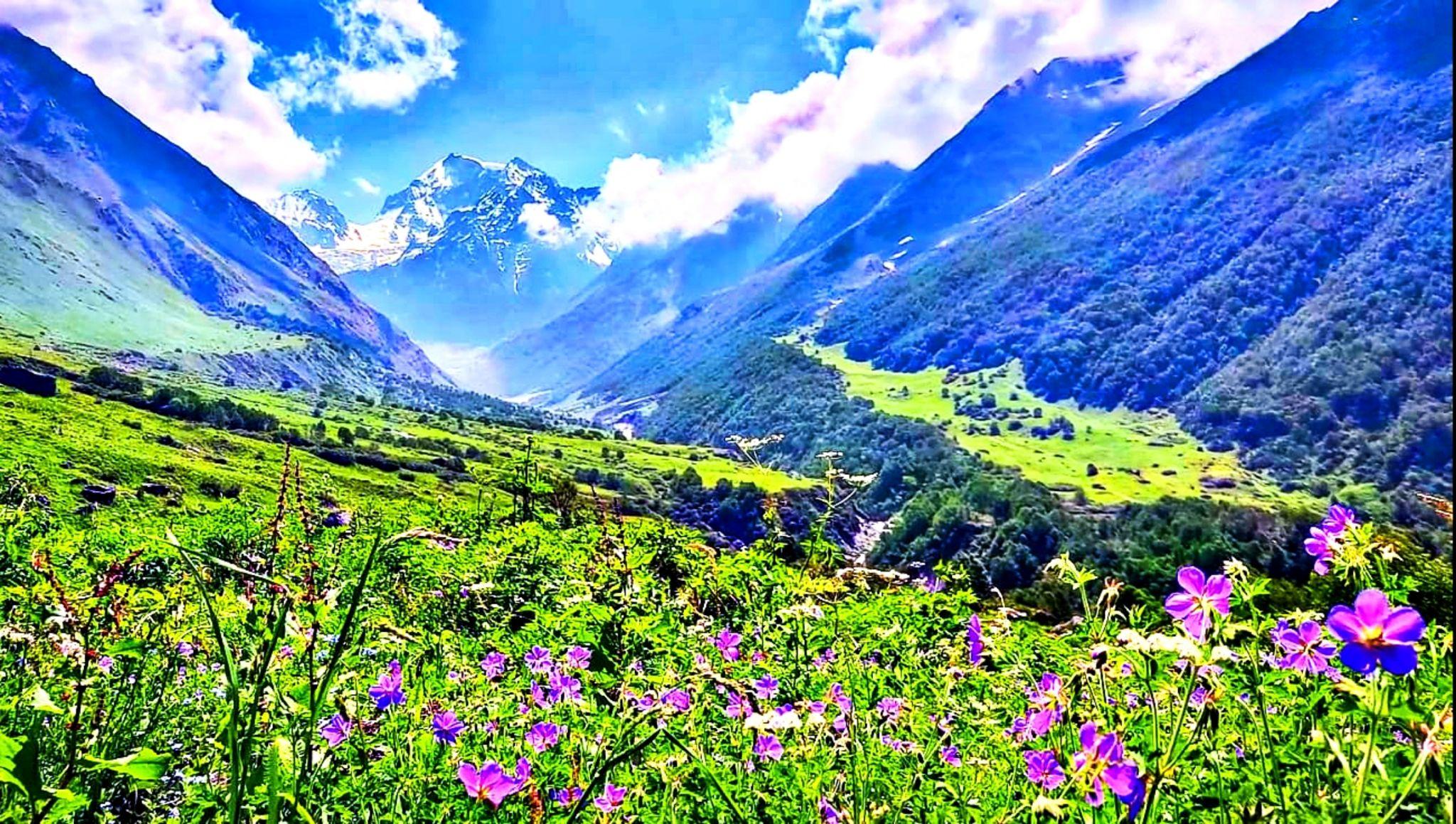
Solo travel is not about being alone—it’s about freedom, self-discovery, and doing things at your own pace. Trekking solo in India has grown massively in recent years, thanks to well-marked trails, local support, and organized group departures that welcome solo travelers.
If you’re planning your first or next solo trek, these are some of the best treks in India for solo travelers, offering safety, scenic beauty, and the chance to meet like-minded adventurers.
Kedarkantha Trek (Uttarakhand)
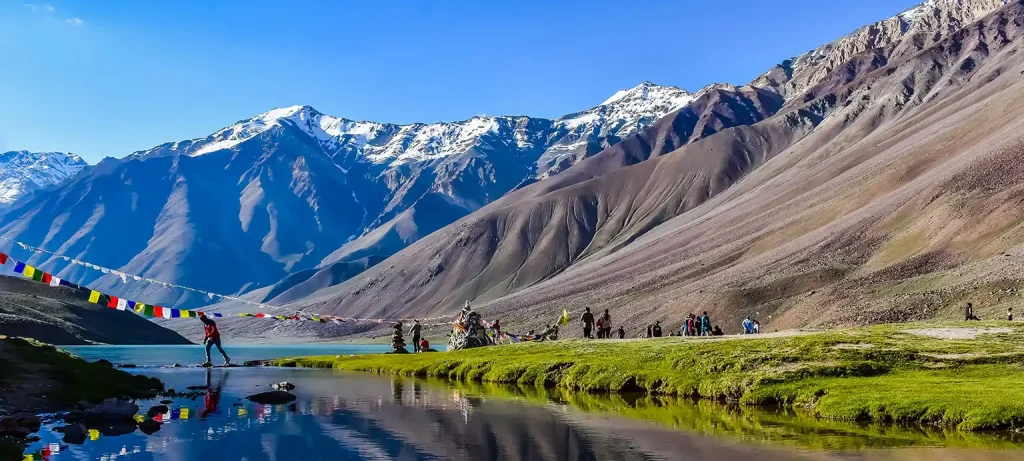
Best for: First-time solo trekkers & winter lovers
Kedarkantha is one of the most beginner-friendly Himalayan treks and a favorite among solo travelers. The trail is well-defined, camps are lively, and winter departures usually have many solo participants—so you’re never truly alone unless you want to be.
The summit climb rewards you with a 360° view of snow-covered peaks, making it perfect for those seeking confidence and clarity on their solo journey.
Explore our complete Kedarkantha Trek itinerary for solo travelers
👉 https://www.advenzone.com/trek/kedarkantha-trek
Why it’s great for solo travelers:
- Short duration (5–6 days)
- Safe winter trek with fixed camps
- Easy to bond with fellow trekkers
Valley of Flowers Trek (Uttarakhand)
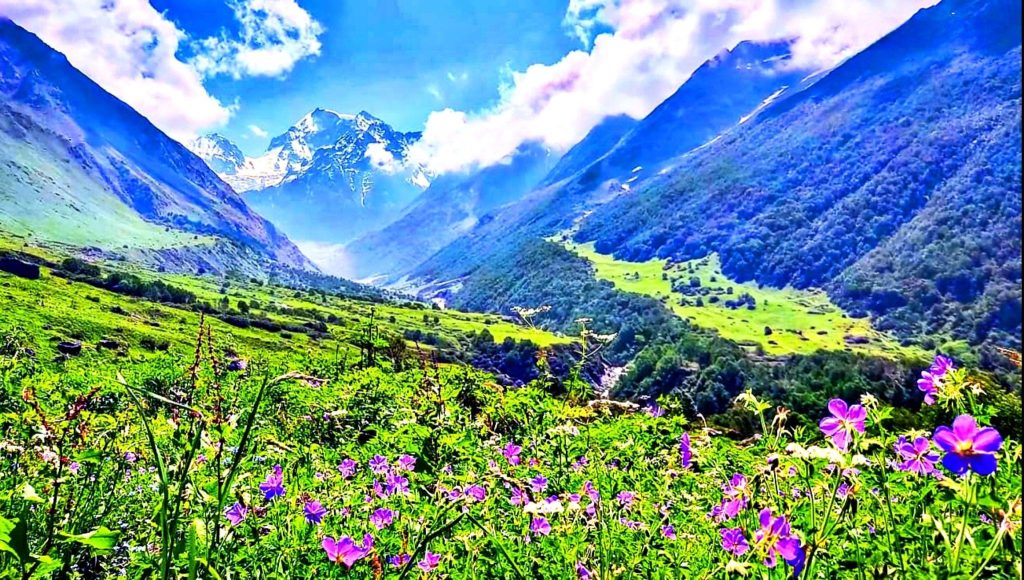
Best for: Nature lovers & mindful solo travelers
This trek feels like walking through a living painting. Open only for a few months each year, the Valley of Flowers is ideal for solo travelers who want peace, beauty, and gentle adventure rather than extreme challenges.
The trail is well-maintained and frequently trekked during the season, making it safe and social while still offering moments of solitude.
Why it’s great for solo travelers:
- Moderate difficulty
- Plenty of fellow trekkers during season
- Perfect balance of solitude and safety
Hampta Pass Trek (Himachal Pradesh)
Best for: Solo travelers seeking variety
Hampta Pass is perfect if you want changing landscapes without committing to a long expedition. Forests, river crossings, meadows, and a dramatic high-altitude pass—all in one trek.
Solo travelers love Hampta Pass because group batches usually have many individuals traveling alone, making it easy to connect without pressure.
Why it’s great for solo travelers:
- Stunning contrast between Kullu & Spiti valleys
- Medium difficulty—challenging but manageable
- Great group dynamics for solo trekkers
Har Ki Dun Trek (Uttarakhand)
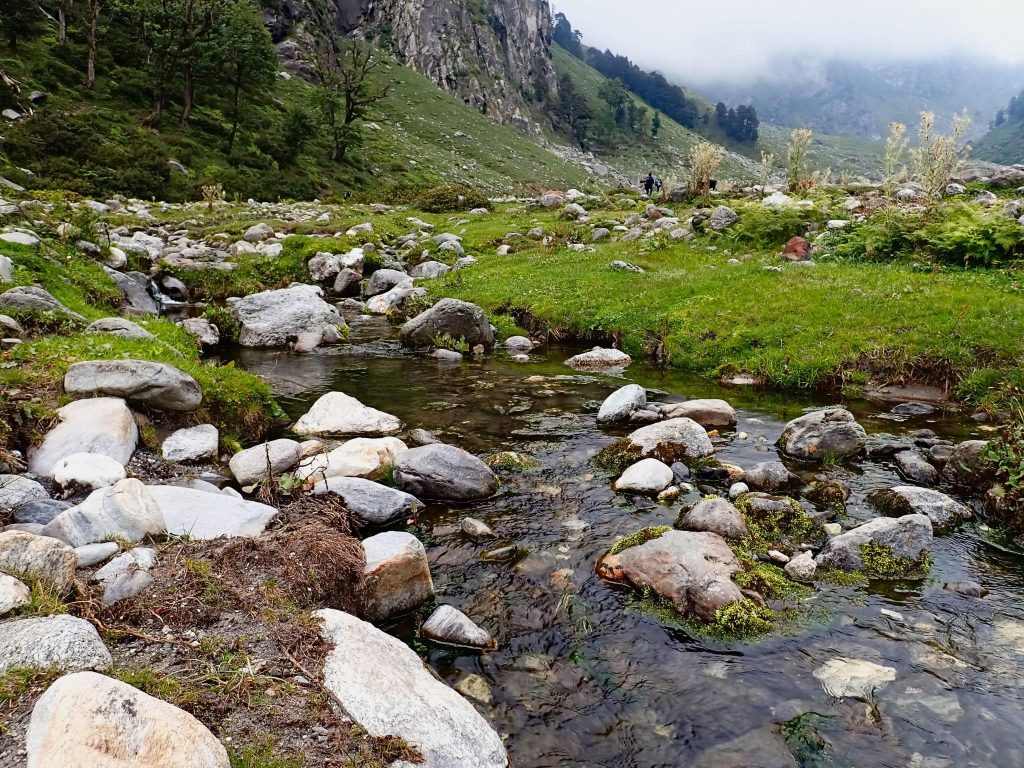
Best for: Culture + comfort seekers
Har Ki Dun offers more than just mountain views. The trek passes through remote villages where locals still live traditional Himalayan lifestyles. It’s an emotionally grounding trek—perfect for solo travelers looking for connection, stories, and slower travel.
The trail is wide, scenic, and less intimidating for those trekking alone for the first time.
Why it’s great for solo travelers:
- Gradual ascent and safe trails
- Rich cultural experience
- Ideal for reflective solo journeys
Goechala Trek (Sikkim)
Best for: Experienced solo trekkers
If you’ve already done a few treks solo and want something deeper and more rewarding, Goechala delivers. The views of Mt. Kanchenjunga at sunrise are unforgettable.
Though physically demanding, this trek attracts serious trekkers and photographers, making it a great place to meet focused, like-minded solo travelers.
Why it’s great for solo travelers:
- Well-regulated permits and routes
- Strong trekking community vibe
- Deep sense of achievement
Why Trekking Solo in India Is a Great Idea
Solo trekking doesn’t mean trekking alone—it means choosing your own journey. India’s trekking ecosystem makes it easier than ever for solo travelers to join safe group departures, stay in shared camps, and still enjoy personal space.
Key benefits of solo trekking:
- Boosts confidence and independence
- Helps you meet people from different backgrounds
- Encourages mindfulness and self-growth
Tips for Solo Trekkers in India
- Choose guided group treks for safety and logistics
- Travel light but carry essentials
- Inform family/friends about your itinerary
- Stay open—some of the best friendships start on trails
Final Thoughts
Whether you’re trekking solo to disconnect, heal, explore, or challenge yourself, India has no shortage of trails that are safe, scenic, and soul-stirring. Start with beginner-friendly treks, build experience, and slowly move towards more challenging routes.
Frequently Asked Questions (FAQs)
1. Is it safe to go trekking solo in India?
Yes, trekking solo in India is safe if you choose popular, well-marked trails and join guided group departures. Treks like Kedarkantha, Hampta Pass, and Valley of Flowers attract many solo travelers each season, ensuring safety, support, and companionship when needed.
2. Which trek is best for first-time solo trekkers in India?
Kedarkantha Trek is one of the best options for first-time solo trekkers. It has a short duration, gradual ascent, fixed camps, and a high success rate, making it ideal for beginners traveling alone.
3. Can solo travelers join group treks in India?
Absolutely. Most trekking companies in India welcome solo travelers and group them with like-minded trekkers. This allows solo travelers to enjoy independence while benefiting from shared logistics, safety, and social interaction.
4. What is the best season for solo trekking in India?
- Winter (Dec–Mar): Kedarkantha, Brahmatal
- Summer (Apr–Jun): Hampta Pass, Har Ki Dun
- Monsoon (Jul–Sep): Valley of Flowers
- Autumn (Sep–Nov): Goechala
Choosing the right season ensures safer trails and better group availability for solo travelers.
5. Are permits required for solo trekking in India?
Yes, some treks like Goechala and Valley of Flowers require permits. When you book through an organized trek operator, permits are usually handled for you—making it easier for solo trekkers.
6. Is solo trekking more expensive than group trekking?
Not necessarily. Solo travelers usually pay the same group price, as accommodation and logistics are shared. Private solo trekking is more expensive, but most solo travelers prefer group departures for affordability and safety.
7. What should solo trekkers pack for Himalayan treks?
Solo trekkers should carry essentials like proper trekking shoes, layered clothing, personal medicines, power banks, and documents. Avoid overpacking—organized treks provide common equipment like tents and safety gear.
Leave a Reply