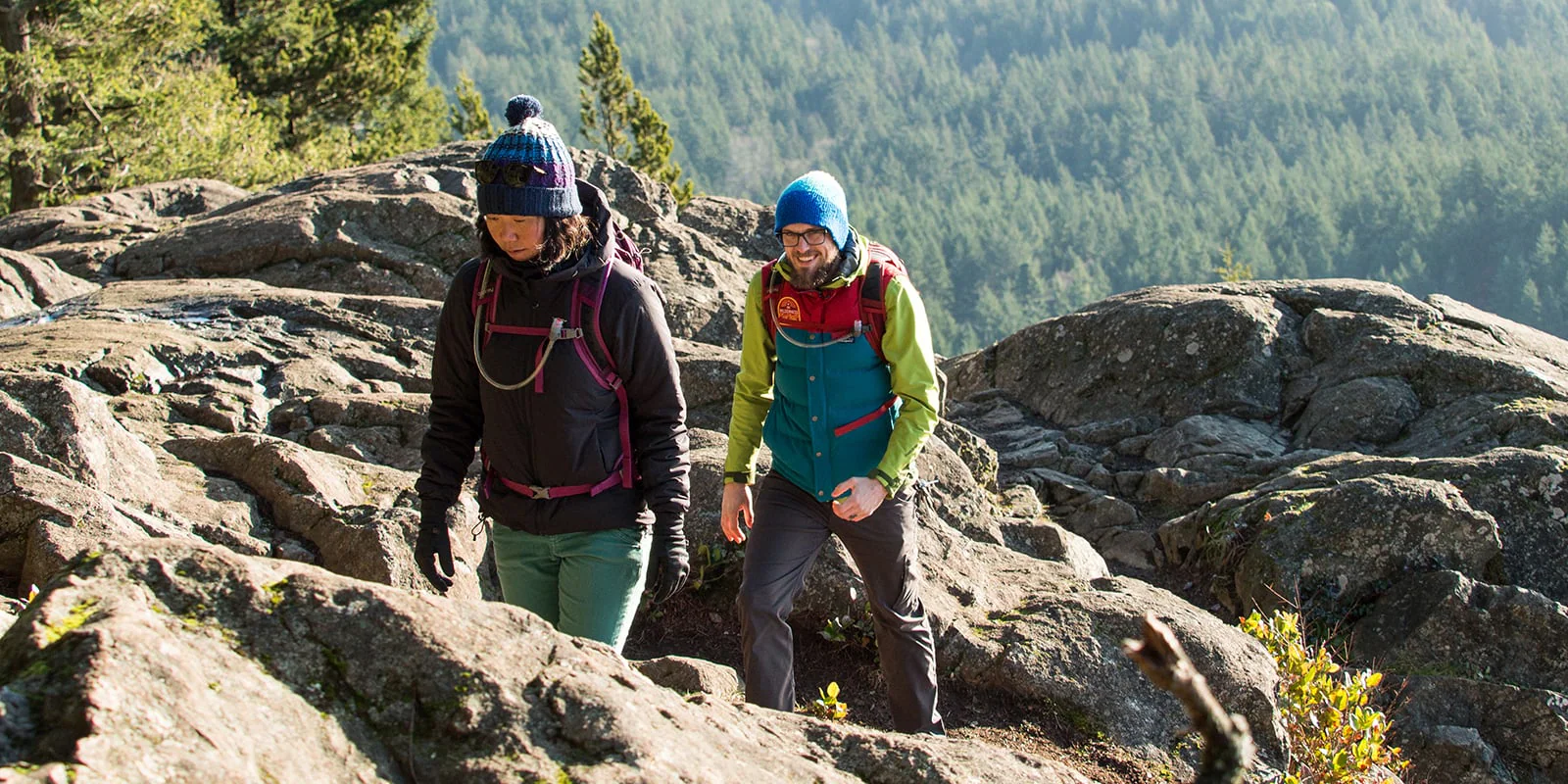
Trekking in the Himalayas is as much a fitness challenge as it is a scenic adventure. Even beginner-friendly treks demand stamina, leg strength, balance, and mental endurance. Proper fitness preparation not only improves your trekking experience but also reduces the risk of injuries and altitude-related issues.
Whether you’re planning your first Himalayan trek or returning for another one, this guide will help you prepare your body the right way.
Why Fitness Matters for Himalayan Treks
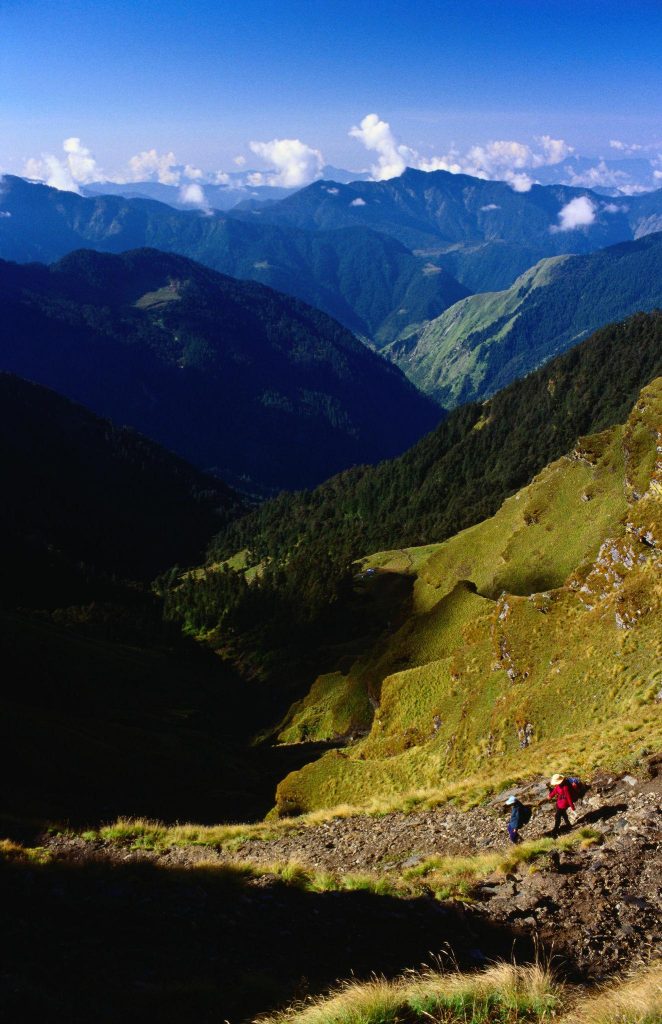
Himalayan treks involve:
- Long walking hours (5–7 hours daily)
- Continuous ascents and descents
- Backpack load
- Low oxygen levels at high altitude
Good fitness helps you:
- Maintain a steady pace
- Recover faster after each day
- Enjoy the trek instead of struggling through it
👉 Planning a beginner-friendly trek? Start with options like:
https://www.advenzone.com/trek/kedarkantha-trek
https://www.advenzone.com/trek/nag-tibba-trek
⏱️ How Early Should You Start Training?
Start your fitness preparation at least 4–6 weeks before your trek.
- Beginner treks: 4 weeks
- Moderate treks: 6–8 weeks
- High-altitude treks: 8+ weeks
Consistency matters more than intensity.
🏃 Cardio Training (Most Important)
Cardio builds stamina and lung capacity—critical for Himalayan treks.
Best cardio exercises:
- Brisk walking or jogging
- Stair climbing
- Cycling
- Skipping rope
Target:
- 30–45 minutes/day
- 4–5 days/week
👉 Preparing for longer treks like Kuari Pass or Deoriatal–Chandrashila?
https://www.advenzone.com/trek/kuari-pass-trek
https://www.advenzone.com/trek/deoriatal-chandrashila-trek
🦵 Strength Training (Legs & Core)
Strong legs and core help you handle steep climbs and descents.
Focus on:
- Squats
- Lunges
- Step-ups
- Wall sits
- Planks
Frequency: 3–4 days/week
Tip: Carry a light backpack during step-ups to simulate trekking conditions.
🧘 Flexibility & Mobility
Stretching prevents muscle stiffness and injuries.
Key areas:
- Hamstrings
- Calves
- Hip flexors
- Lower back
- Ankles
Spend 10–15 minutes daily, especially after workouts.
🎒 Practice with a Backpack
Start walking with a loaded backpack (5–8 kg) during training walks.
This helps your shoulders, back, and posture adapt to trekking conditions.
👉 Packing checklist for reference:
https://www.advenzone.com/blog/things-to-carry-for-trekking
🫁 Breathing & Altitude Readiness
While you can’t fully simulate altitude, you can:
- Practice slow nasal breathing
- Avoid smoking/alcohol before the trek
- Stay hydrated
- Maintain good cardio fitness
👉 Learn more about altitude-safe treks for beginners:
https://www.advenzone.com/blog/best-treks-for-beginners-in-india
🛌 Rest, Diet & Recovery
Fitness preparation isn’t just workouts.
Eat:
- Complex carbs (rice, oats, roti)
- Protein (dal, eggs, paneer)
- Fruits & nuts
Avoid:
- Junk food
- Excess sugar
- Late nights
Good sleep = better recovery.
❓ Frequently Asked Questions (FAQs)
1. Do I need to be very fit to do a Himalayan trek?
No. You don’t need to be an athlete, but basic fitness is essential. With 4–6 weeks of regular training, most people can comfortably complete beginner Himalayan treks.
2. Can I do a Himalayan trek without any training?
It’s not recommended. Lack of fitness can lead to exhaustion, injuries, and altitude sickness. Even short treks require basic cardio and leg strength.
3. What is the best exercise for trekking fitness?
Stair climbing is one of the best exercises as it closely mimics uphill trekking. Combine it with walking, squats, and lunges for best results.
4. How much walking should I practice before a trek?
You should comfortably walk 5–7 km in 45–60 minutes before attempting a Himalayan trek.
5. Is gym training necessary for trekking?
No, gym training is optional. Home workouts like squats, lunges, stair climbing, and brisk walking are more than sufficient.
6. Can beginners do Himalayan treks after fitness preparation?
Yes. Many beginner-friendly Himalayan treks are designed for first-timers, provided they follow a basic fitness routine beforehand.
7. Does fitness help prevent altitude sickness?
Fitness alone doesn’t prevent altitude sickness, but good cardio fitness helps your body adapt better and reduces fatigue.
8. How do I know if I’m trek-ready?
If you can:
- Walk continuously for 60 minutes
- Climb stairs without heavy breathlessness
- Carry a light backpack comfortably
—you’re likely trek-ready for beginner to moderate treks.
Final Thoughts
Fitness preparation is not about pushing your limits—it’s about building confidence and comfort. A fit body allows you to enjoy Himalayan views, interact with fellow trekkers, and complete the journey safely.
Train smart, stay consistent, and the mountains will take care of the rest.
Leave a Reply