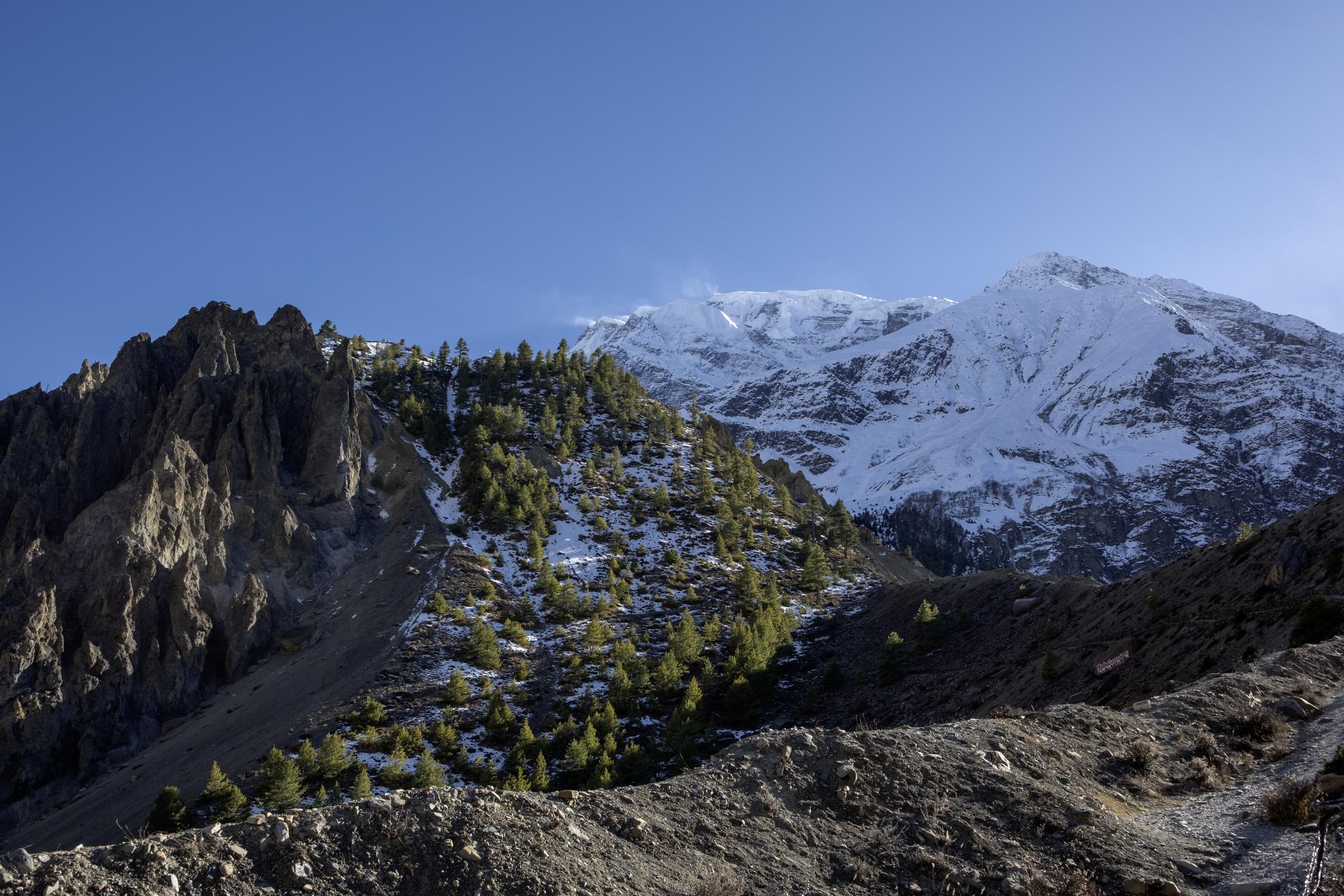
March marks the transition between winter and spring in the Himalayas, making it one of the most beautiful months for trekking. The harsh winter cold begins to ease, but snow still blankets the mountains, creating stunning landscapes for trekkers.
For adventure lovers, March offers the perfect balance of snowy trails, clear skies, and comfortable trekking weather. Whether you’re a beginner or an experienced trekker, this month provides some of the most rewarding trekking experiences in India.
Snow Trails Without Extreme Winter Cold
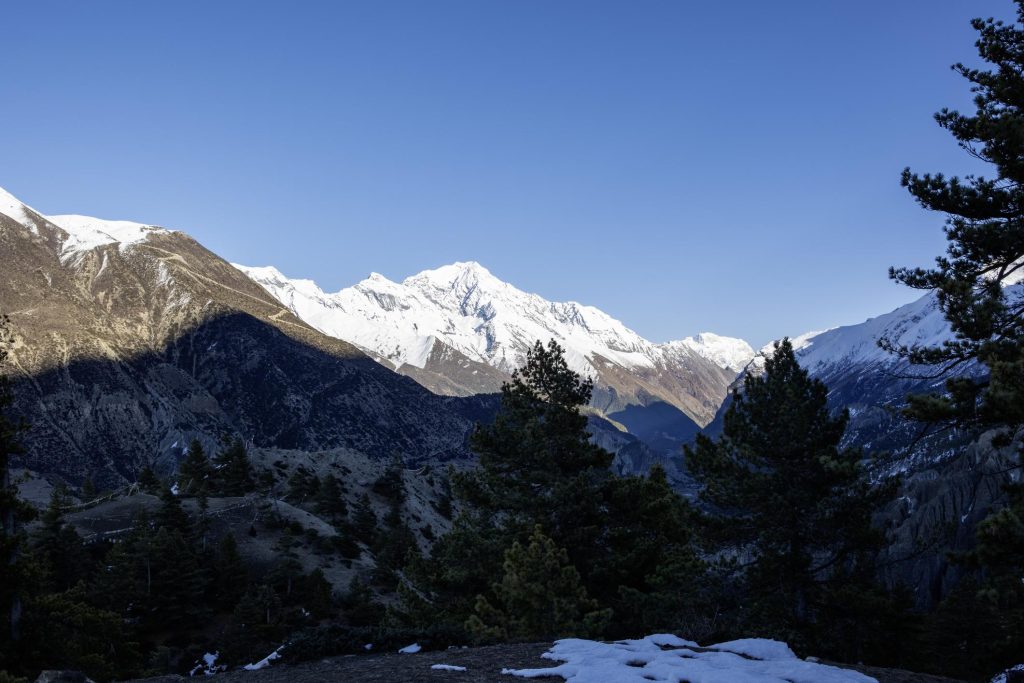
One of the biggest advantages of trekking in March is that you can still experience snow-covered trails without the intense cold of peak winter months like January and February.
Treks such as Kuari Pass and Nag Tibba often have snow on higher sections, allowing trekkers to enjoy winter landscapes while trekking in relatively comfortable temperatures.
Explore the Kuari Pass Trek itinerary
https://www.advenzone.com/trek/kuari-pass-trek
Clear Mountain Views
March usually brings clearer skies and better visibility, which means trekkers get spectacular views of Himalayan peaks.
Many treks offer panoramic views of famous peaks such as:
- Nanda Devi
- Trishul
- Chaukhamba
- Kanchenjunga
For photographers and nature lovers, March is one of the best months to capture the grandeur of the Himalayas.
Early Signs of Spring in the Himalayas
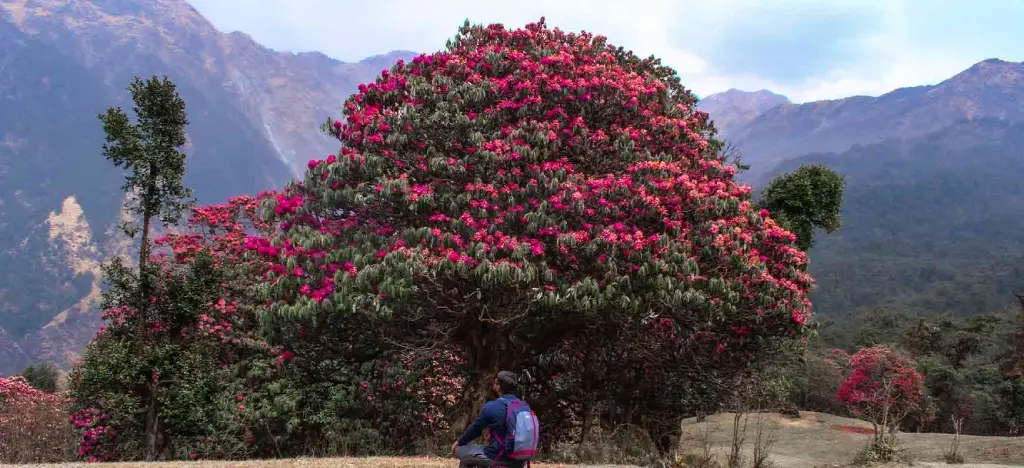
Another magical aspect of March trekking is the arrival of spring in lower altitudes. Forests begin to come alive, and in some regions, the famous rhododendron flowers start blooming.
This creates a stunning contrast between snow-covered peaks and colorful mountain forests, making the trekking experience even more scenic.
Ideal Weather for Long Treks
Unlike the extreme winter months, trekking in March usually comes with moderate daytime temperatures.
Typical weather conditions:
- Daytime: 5°C to 12°C
- Night: -2°C to -8°C at higher camps
These temperatures make trekking easier and more enjoyable for most trekkers.
Fewer Crowds on the Trails
March falls between the winter trekking rush and the busy summer trekking season. This means less crowded trails, quieter campsites, and a more peaceful experience in nature.
For trekkers who want to enjoy the Himalayas without heavy crowds, March is a fantastic time.
Perfect Month for Beginner Treks
Many beginner-friendly treks become ideal during March because weather conditions are stable and trails are accessible.
Some great beginner treks include:
- Nag Tibba Trek
- Deoriatal – Chandrashila Trek
- Kuari Pass Trek
👉 Check the detailed itinerary for the Deoriatal Chandrashila Trek
https://www.advenzone.com/trek/deoriatal-chandrashila-trek
Final Thoughts
March truly offers the best of both seasons in the Himalayas—the beauty of winter snow and the freshness of spring landscapes. With clear skies, moderate temperatures, and fewer crowds, it becomes one of the most rewarding times for trekking.
If you’re planning a Himalayan adventure, March is the perfect month to experience snow trails, breathtaking mountain views, and peaceful trekking routes.
FAQs
1. Is March a good time for Himalayan trekking?
Yes, March is considered one of the best months for Himalayan trekking because it offers snow trails, clear mountain views, and relatively comfortable trekking weather.
2. Which treks are best in March in India?
Popular Himalayan treks in March include Kuari Pass, Deoriatal–Chandrashila, Har Ki Dun, Sandakphu, and Nag Tibba.
3. Will there be snow on Himalayan treks in March?
Yes, many treks still have snow in March, especially at higher altitudes and near summit sections.
4. What should I pack for a Himalayan trek in March?
Trekkers should carry thermal layers, waterproof jackets, gloves, trekking shoes, and sun protection to handle snow and cold weather.
5. Are Himalayan treks safe in March?
Yes, trekking in March is generally safe when done with proper preparation, fitness, and guidance from experienced trekking organizers.
Leave a Reply