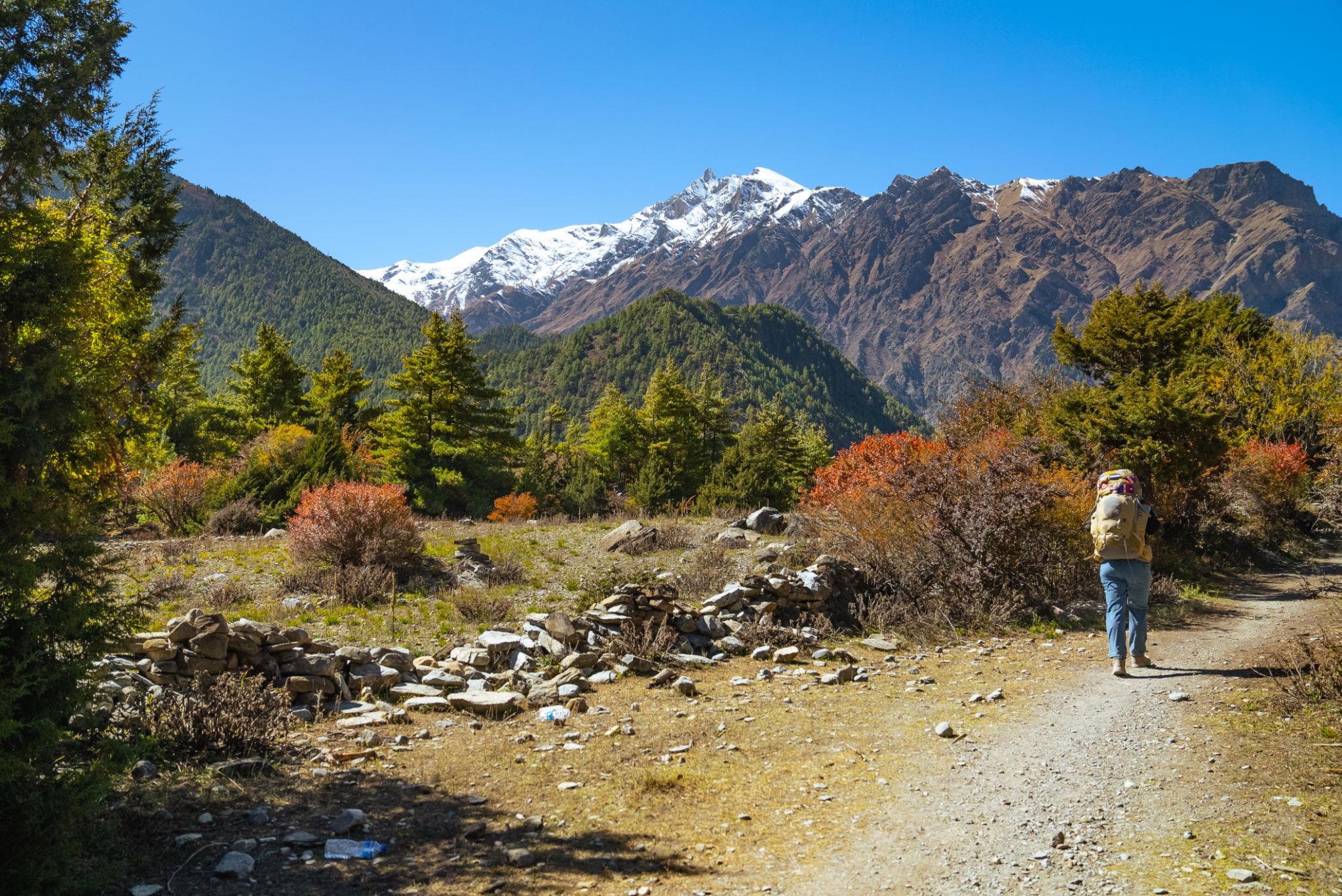
There are destinations that impress you when you arrive.
Then there is Spiti Valley, where the journey itself becomes the greatest adventure.
Unlike many mountain destinations that maintain a similar landscape throughout the trip, Spiti Valley constantly changes. Every few kilometres reveal a completely different world—dense forests give way to barren mountains, quiet rivers turn into powerful streams, and tiny villages appear where you least expect them.
This ever-changing scenery is what makes a Spiti Valley road trip one of the most unforgettable experiences in India.
The Journey Begins in the Green Valleys of Himachal
Most travelers begin their adventure from Manali or Shimla.
The first few hours feel familiar.
You’ll drive through pine forests, apple orchards, winding mountain roads, and charming Himalayan villages.
Everything seems peaceful and predictable.
But gradually, the landscape begins to transform.
The trees become fewer.
The air becomes cooler.
The mountains become taller.
Without realizing it, you’ve entered an entirely different Himalayan world.
Crossing Into the Cold Desert
One of the most magical moments of a Spiti journey is when greenery suddenly disappears.
The lush hills are replaced by dramatic rocky mountains painted in shades of brown, grey, and gold.
This is the beginning of the cold desert—a region where rainfall is scarce, vegetation is limited, and nature creates breathtaking patterns using rock, wind, and time.
Unlike traditional deserts, Spiti’s beauty comes not from sand dunes but from towering cliffs, deep valleys, and endless open skies.
Villages That Redefine Remote Living
One of the greatest surprises in Spiti is discovering villages that thrive in one of the harshest environments in the Himalayas.
Kaza
The cultural heart of Spiti, where cafés, local markets, and traditional homes coexist with dramatic mountain landscapes.
Langza
Famous for its giant Buddha statue and fossil-rich surroundings, Langza offers panoramic views that seem almost unreal.
Hikkim
Known for its post office, Hikkim reminds visitors that even remote villages remain connected to the outside world.
Komic
Perched at one of the highest inhabited locations in the region, Komic offers peaceful surroundings and a glimpse into mountain life shaped by simplicity and resilience.
Each village has its own rhythm, traditions, and stories, making every stop along the journey memorable.
Roads That Test and Reward Every Traveler
Driving in Spiti is not just about reaching a destination.
It is about embracing the adventure.
Expect:
- Narrow mountain roads
- Water crossings
- Gravel tracks
- Sharp bends
- High-altitude passes
While these roads demand patience and careful driving, they also reward travelers with some of the most spectacular views in the Himalayas.
Every challenging section becomes part of the story you’ll remember long after returning home.
Ancient Monasteries That Stand Above Time
Long before tourism reached Spiti, monasteries served as centers of learning, spirituality, and community life.
Today, they continue to define the region’s cultural identity.
Key Monastery
Standing dramatically on a hilltop, Key Monastery overlooks the Spiti River and remains one of the valley’s most iconic landmarks.
Dhankar Monastery
Built on a rocky cliff, this centuries-old monastery offers breathtaking views and a peaceful atmosphere.
These monasteries are more than tourist attractions—they are living symbols of Spiti’s history and traditions.
Nights Filled With Stars
As evening falls, Spiti reveals another side of its beauty.
Far from city lights, the night sky becomes incredibly clear.
On moonless nights, thousands of stars stretch across the sky, creating one of the best stargazing experiences in India.
For photographers and astronomy enthusiasts, this alone makes the journey worthwhile.
Wildlife That Thrives in Extreme Conditions
Although Spiti appears rugged and barren, it supports remarkable wildlife adapted to high-altitude conditions.
Depending on the season and location, travelers may encounter:
- Himalayan ibex
- Blue sheep
- Marmots
- Himalayan foxes
- Rare birds of prey
The elusive snow leopard also inhabits parts of the region, making Spiti a dream destination for wildlife enthusiasts.
Why Slow Travel Is the Best Way to Experience Spiti
Many travelers try to cover every attraction quickly.
Spiti rewards a different approach.
Spend time in local villages.
Talk with residents.
Enjoy a cup of butter tea.
Watch the mountains change colour during sunrise and sunset.
The slower you travel, the deeper your connection with the valley becomes.
Essential Tips Before Your Journey
- Allow time to acclimatize to the altitude.
- Carry warm clothing even during summer.
- Download offline maps before entering remote areas.
- Keep cash for villages where digital payments may not be available.
- Respect local customs and monastery etiquette.
- Avoid leaving plastic waste behind.
Small preparations can make your trip safer and more enjoyable.
Why Spiti Should Be on Every Adventure Traveler’s Bucket List
Spiti Valley is not just a destination—it is a journey through changing landscapes, resilient communities, ancient culture, and raw Himalayan beauty.
Few places in India can offer such dramatic transitions within a single road trip.
If you’re looking for an adventure that combines scenic drives, mountain villages, peaceful monasteries, and unforgettable landscapes, Spiti Valley deserves a place on your travel list.
The road may be challenging, but every kilometre brings a new reason to fall in love with the Himalayas.
FAQs
Is Spiti Valley suitable for first-time road trippers?
Yes, provided you drive carefully, acclimatize properly, and travel during the open season.
Which route is better for Spiti Valley?
Many travelers prefer entering via Shimla and exiting through Manali for a gradual increase in altitude.
How many days are ideal for a Spiti Valley trip?
A journey of 7–10 days allows enough time to explore villages, monasteries, and scenic viewpoints without rushing.
Is Spiti Valley good for bike trips?
Yes. Spiti is one of India’s most popular motorcycle destinations because of its challenging roads and spectacular mountain scenery.
What makes Spiti different from Ladakh?
While both are high-altitude cold deserts, Spiti is known for its quieter atmosphere, ancient monasteries, traditional villages, and distinctive Himalayan landscapes.
Leave a Reply