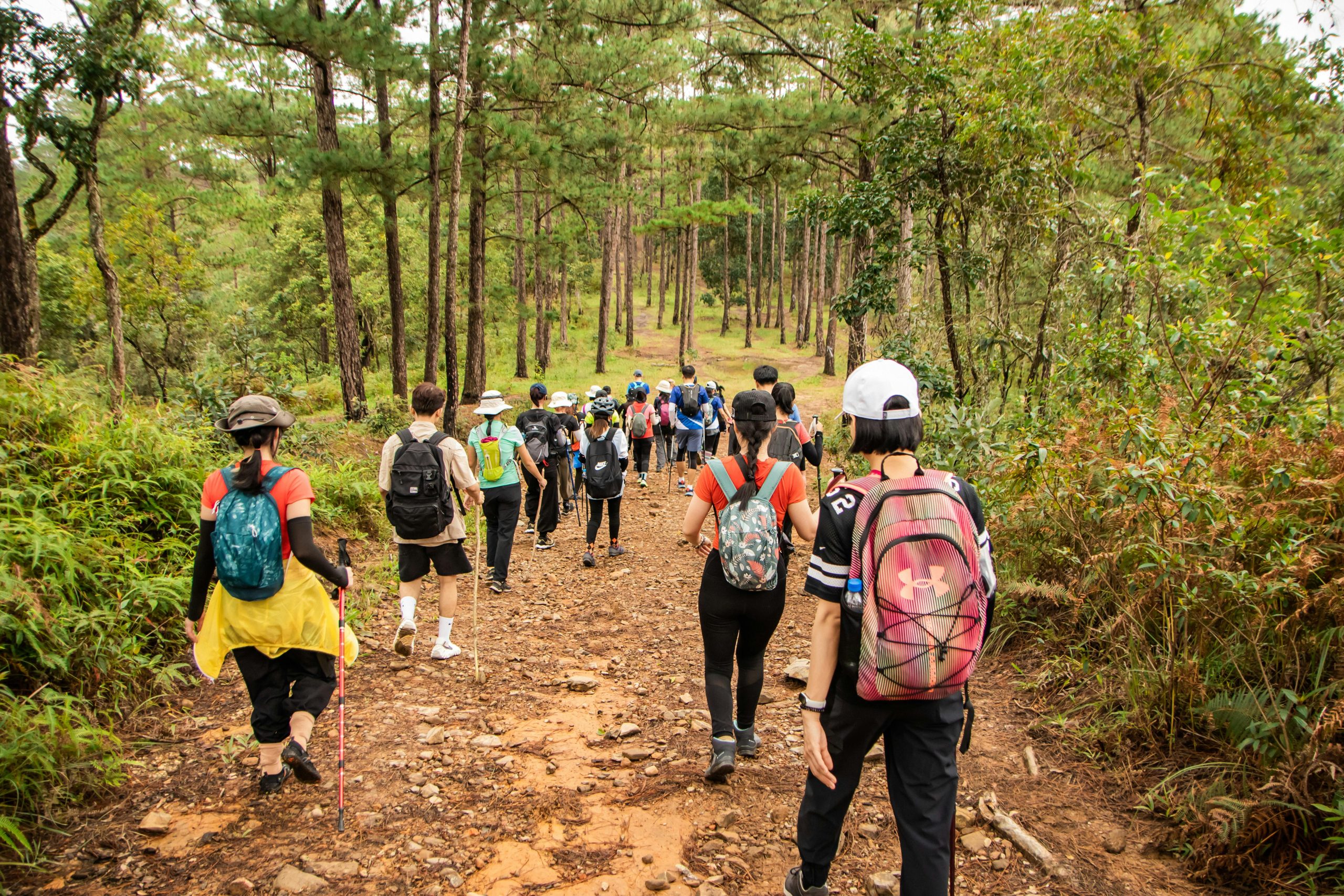
Trekking is an amazing way to experience nature, push yourself, and make lifelong memories. The thought of starting a journey may be both thrilling and daunting for novices. With careful preparation, possible difficulties can be turned into exciting adventures. This thorough guide will help you get ready for your first hike.
1. Choose the Right Trek
Choosing a journey that fits your level of experience and physical skills is the first and most important step. A tough trail at the beginning could cause fatigue or harm.
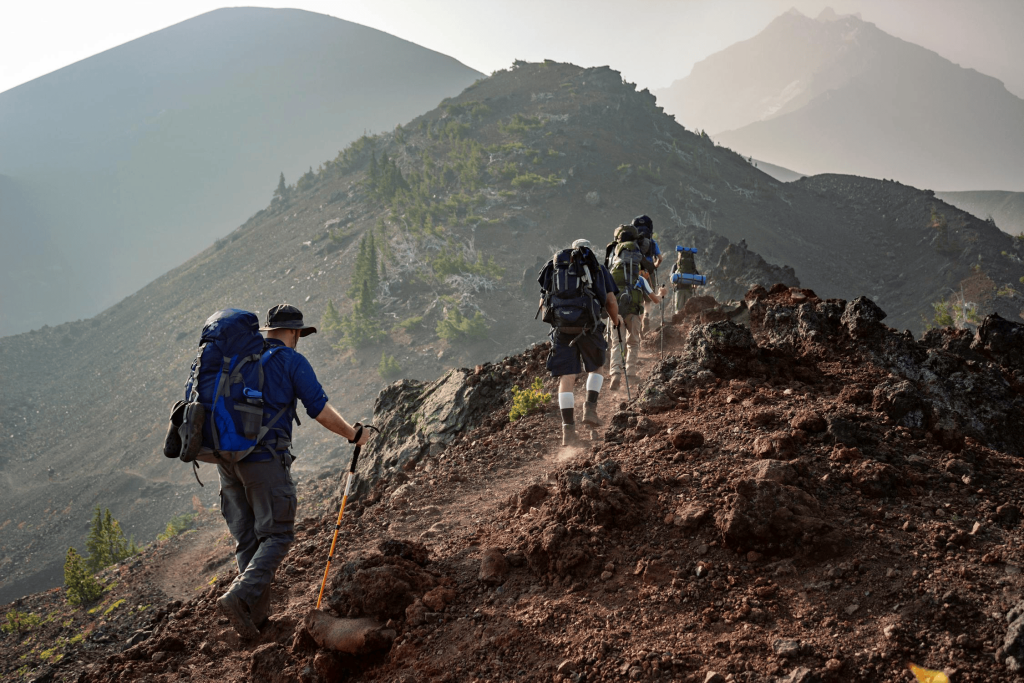
- Options for Beginners: Seek out shorter, moderately challenging treks with clearly designated routes. Kedarkantha and the Hampta Pass in India, and local routes in national parks are a few examples.
- Do a lot of research: Recognize the weather patterns, altitude, and trail conditions. Guidebooks, trekking blogs, and online forums are great sources of information.
- The Best Time to Trek: Steer clear of harsh times of year, such as the height of summer or winter. For nicer weather and safer paths, pick spring or fall.
2. Build Physical Fitness
Trekking requires endurance and physical stamina. Your experience will be improved if you prepare your body in advance.
- Cardio Workouts: To increase cardiovascular fitness, include swimming, cycling, jogging, or walking in your regimen.
- Strength Training: To build muscle in your legs and core, concentrate on exercises like planks, lunges, and squats.

- Backpack Training: To improve your endurance and balance, walk on uneven terrain while wearing a weighted backpack to replicate hiking conditions.
3. Assemble the Right Gear
Your equipment is essential to maintaining your comfort and security when trekking. Invest in important, high-quality things.
- Footwear: It is essential to have sturdy hiking shoes with a firm grip and ankle support. To prevent blisters, break them in before your hike.
- Clothes: Wear layers that wick away sweat and dry quickly. Add clothing that are windproof and waterproof for erratic weather.
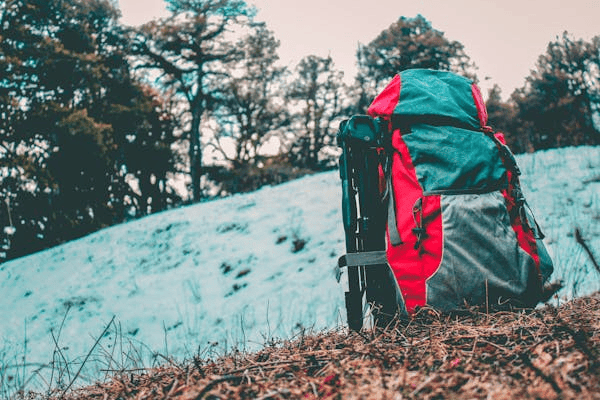
- Backpack: Select an ergonomic, lightweight backpack that has adequate room for necessities like water, food, and additional clothing.
- Additional necessities are sunscreen, trekking poles, a reusable water bottle or hydration pack, a first-aid kit, and a headlamp.
4. Plan Nutrition and Hydration
Maintaining energy levels when hiking requires proper hydration and diet.
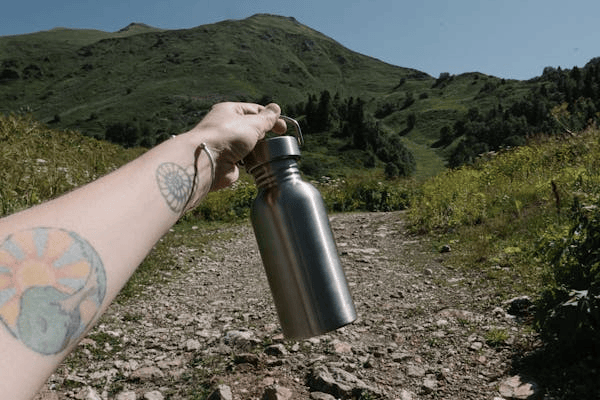
- Drink plenty of water: Keep enough water on hand and think about employing filtration devices or water purifiers to replenish from natural sources.
- Bring light snacks: Trail mix, nuts, dried fruits, and energy bars are excellent sources of short-term energy spikes.
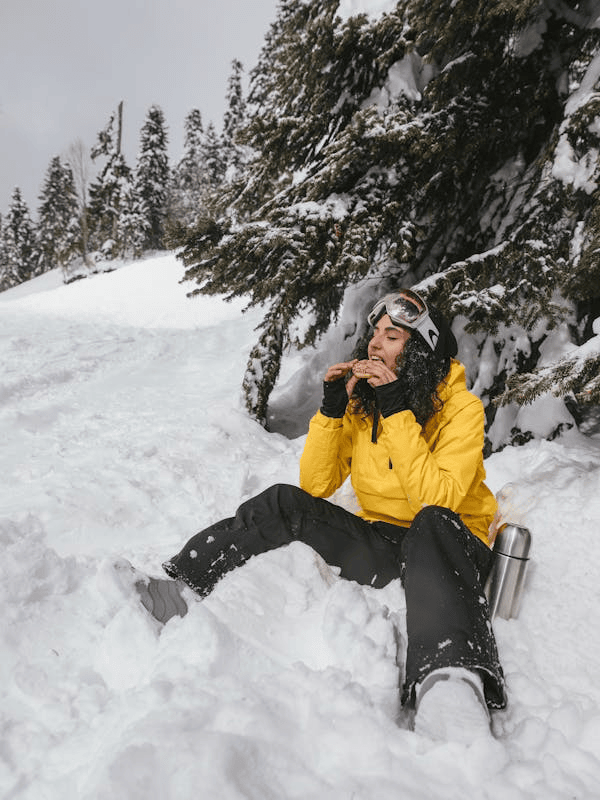
- Meals: Pack small, simple-to-prepare meals, such as dehydrated foods or instant noodles, if your hike is longer.
5. Learn Basic Navigation and Safety Skills
You’ll feel more confident and have safer travel if you’re ready for everything.
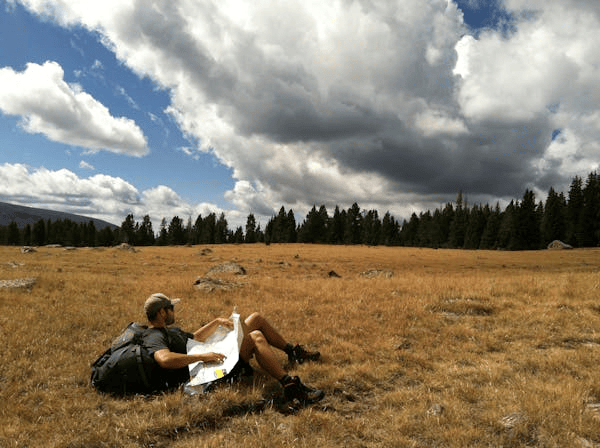
- Tools and Maps: Keep a compass, a GPS unit, or paper maps with you. Learn how to make good use of them.
- Local Rules: Learn about the regulations, wildlife safety measures, and possible risks in the area.
- Prepare for emergencies by carrying a multi tool, an emergency whistle, and additional batteries for your electronics. You should also be familiar with basic first aid.
6. Consider Joining a Group or Hiring a Guide
Hiring a guide or joining a group can offer more assistance and expertise for your first hike.
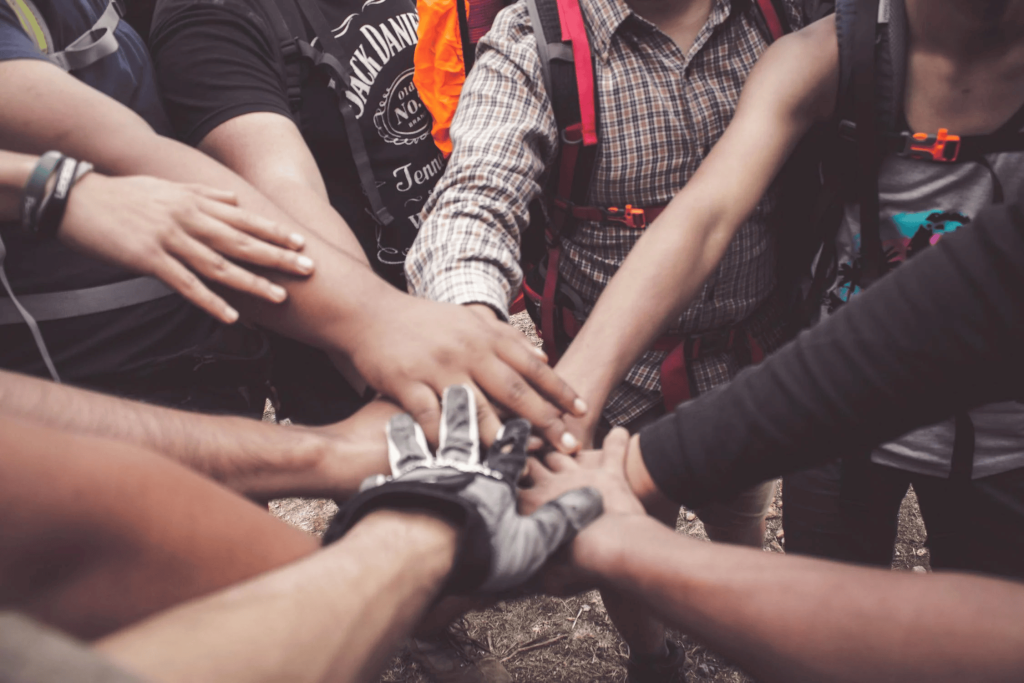
- Group Treks: Hiking with other people can be inspiring, and seasoned hikers frequently impart useful advice.
- Local Guides: By providing knowledge about the local geography, customs, and history, a guide’s experience can improve your trip.
7. Acclimatize and Pace Yourself
Acclimatization is essential for higher altitude climbs in order to prevent altitude sickness.
- Ascend Gradually: Pace yourself and take rest days if necessary to allow your body to acclimate to lower oxygen levels.
- Pay Attention to Your Body: Keep an eye out for symptoms like nausea, headaches, or light headedness. If they continue, drop to a lower altitude right away.
8. Practice Leave No Trace Principles
Trekking pathways will continue to be stunning and open to future explorers provided nature is respected.
- Remove Waste: Make sure to remove anything you bring in, especially biodegradable materials.
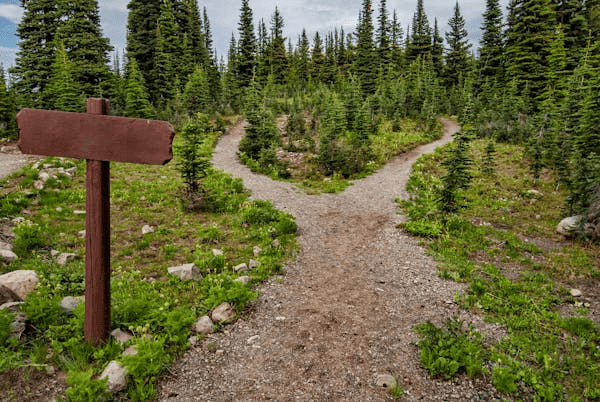
- Reduce Impact: To prevent harming ecosystems and vegetation, stay on designated pathways.
- Respect wildlife by keeping a safe distance from animals and refraining from feeding them.
9. Embrace the Journey
Enjoying the journey is just as important as getting to your destination on your first walk.
- Take Breaks: Stop often to relax, drink water, and take in the scenery.
- Record Memories: To record the experience, use your phone or bring a portable camera.
- Remain Upbeat: Although obstacles may come up, having an optimistic outlook will make your journey more pleasurable.
10. Reflect and Learn
Spend some time thinking back on your journey after finishing your trek.
- Examine Your Experience: For upcoming hikes, make a note of what went well and what needs improvement.
- Tell Your Story: Encourage others by posting pictures, blogs, or comments about your hiking experiences.
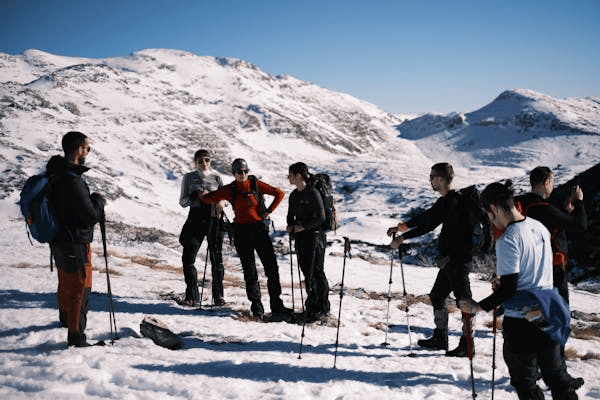
The experience of trekking for the first time is life-changing. You will make treasured memories and lay a solid basis for future explorations if you are prepared and have the correct attitude. Prepare to enjoy the great outdoors by putting on your boots, packing your luggage, and getting ready!
Leave a Reply