High-altitude trekking and camping offer breathtaking views and thrilling challenges, but they also come with risks like altitude sickness, extreme weather, and fatigue. Whether you’re hiking the Himalayas, Andes, or Rockies, these safety tips will help you stay prepared and enjoy your adventure safely.
1. 1. Altitude Acclimatization: How to Prevent AMS
- Ascend slowly (no more than 300–500 meters per day above 3,000m).
- Take rest days to let your body adjust.
- Stay hydrated (drink 3–4 liters of water daily).
- Recognize symptoms: headache, nausea, dizziness (if severe, descend immediately).
- or multi-day trekking preparation, see our Complete Trekking Packing Checklist“
- Learn about Understanding Altitude Zones and Their Effects on the body”
2. Pack the Right Gear for High-Altitude Conditions
- Layered clothing (thermal base, fleece, waterproof shell).
- Sturdy hiking boots with ankle support.
- Sleeping bag rated for sub-zero temperatures.
- Sunglasses & sunscreen (UV rays are stronger at high elevations).
- Compare Best Hiking Boots for Mountain Terrain in our gear guide”
- Read our Ultimate Layering System Guide for extreme weather”
3. Monitor Weather & Avoid Storms
- Check forecasts before trekking.
- Start early to avoid afternoon thunderstorms.
- Carry a windproof jacket and emergency shelter.
4. Stay Energized with Proper Nutrition
- Eat high-calorie, carb-rich meals (nuts, dried fruits, energy bars).
- Avoid alcohol & excessive caffeine (they dehydrate you).
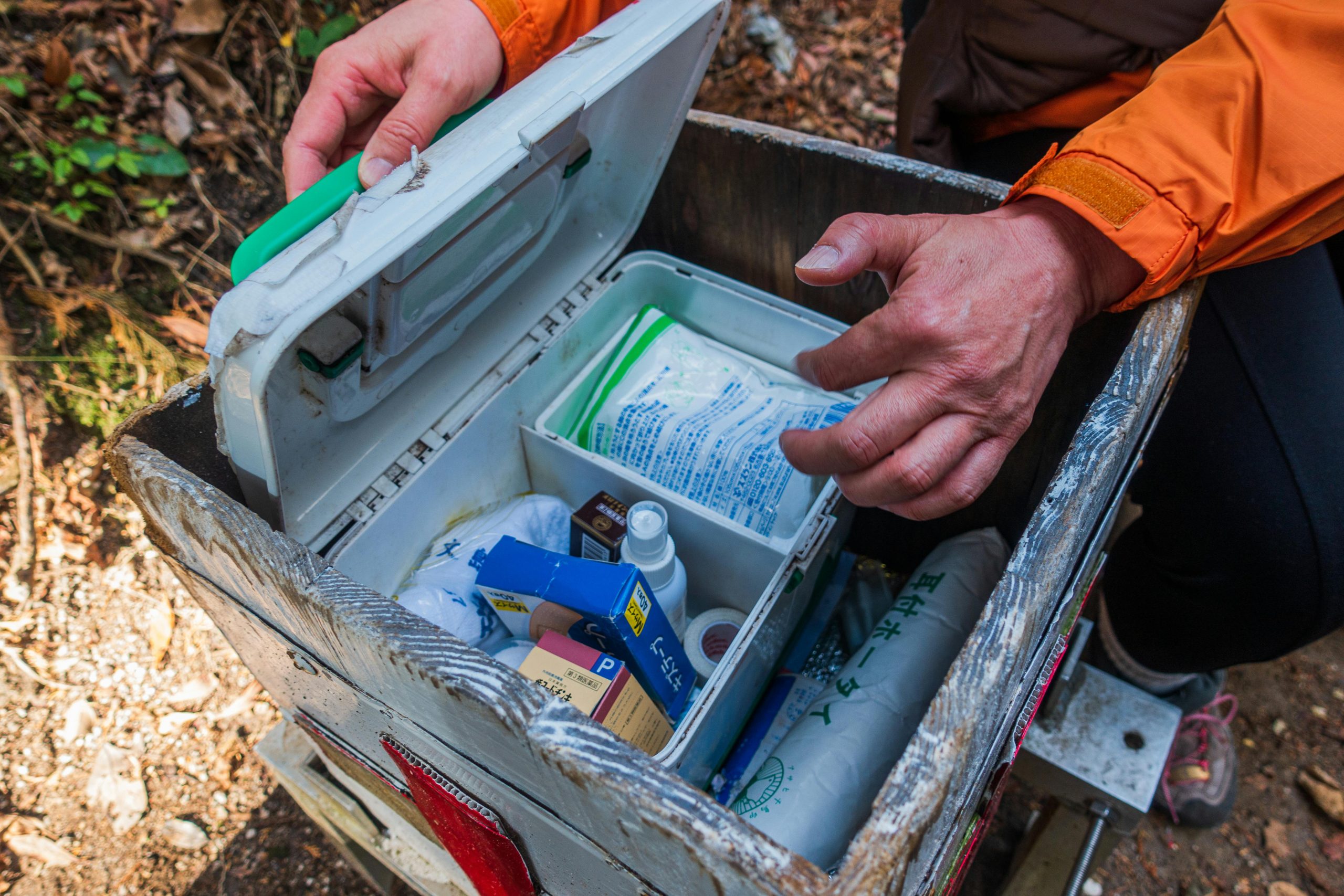
5. Emergency Preparedness & First Aid
- Carry a portable oxygen canister (for emergencies).
- Pack diamox (acetazolamide) for altitude sickness.
- Know basic wilderness first aid (blister care, hypothermia treatment).
6. Trek with a Guide or Group
- If inexperienced, hire a local guide familiar with the terrain.
- Avoid solo trekking in remote high-altitude zones.
7. Know When to Turn Back
- If you experience severe headache, confusion, or difficulty breathing, descend immediately.
- Don’t push beyond your limits—safety comes first!
Final Thoughts
High-altitude trekking and camping are incredible experiences, but proper preparation is key. Follow these safety tips, listen to your body, and enjoy the majestic beauty of the mountains responsibly!
1. How high is considered ‘high altitude’ for trekking?
Answer: High altitude begins at 2,500 meters (8,200 ft), with very high altitude at 3,500-5,500m (11,500-18,000 ft) and extreme altitude above 5,500m. Popular high-altitude treks include Everest Base Camp (5,364m) and Kilimanjaro (5,895m).
2. What are the first signs of altitude sickness?
Answer: Early symptoms include:
- Throbbing headache (most common)
- Loss of appetite/nausea
- Dizziness or lightheadedness
- Fatigue despite rest
- Trouble sleeping
Symptoms typically appear 6-24 hours after ascent.
3. How much water should I drink at high altitude?
Answer: Drink 3-4 liters daily (50% more than at sea level). Signs you’re dehydrated:
- Dark yellow urine
- Dry mouth/chapped lips
- Headache worsening with hydration
Pro tip: Add electrolyte tablets to prevent hyponatremia.
4. Can I take Diamox for altitude sickness?
Answer: Yes, acetazolamide (Diamox) helps prevent AMS when taken properly:
- 125mg twice daily starting 1 day before ascent
- Continue until 2 days at highest altitude
- Side effects: tingling fingers, frequent urination
Consult your doctor first – not recommended for sulfa allergies.
5. What’s the golden rule of high-altitude trekking?
Answer: “Climb high, sleep low” – ascend ≤300m daily above 3,000m, then descend to sleep. This allows your body to:
- Produce more red blood cells
- Improve oxygen absorption
- Remove excess fluids from tissues
6. At what altitude do most people need supplemental oxygen?
Answer: Most trekkers need oxygen above:
- 5,500m (18,000 ft) for extended stays
- 7,000m (23,000 ft) for any duration
Exception: Some elite climbers ascend Everest (8,848m) without oxygen, but this is extremely dangerous.
7. What food is best for high-altitude energy?
Answer: Prioritize these at altitude:
✓ High-carb: 70% of calories (oatmeal, energy gels)
✓ Healthy fats: Nuts, chocolate (30% calories)
✓ Avoid: Heavy proteins (slow digestion)
✓ Eat small meals every 2-3 hours
Leave a Reply