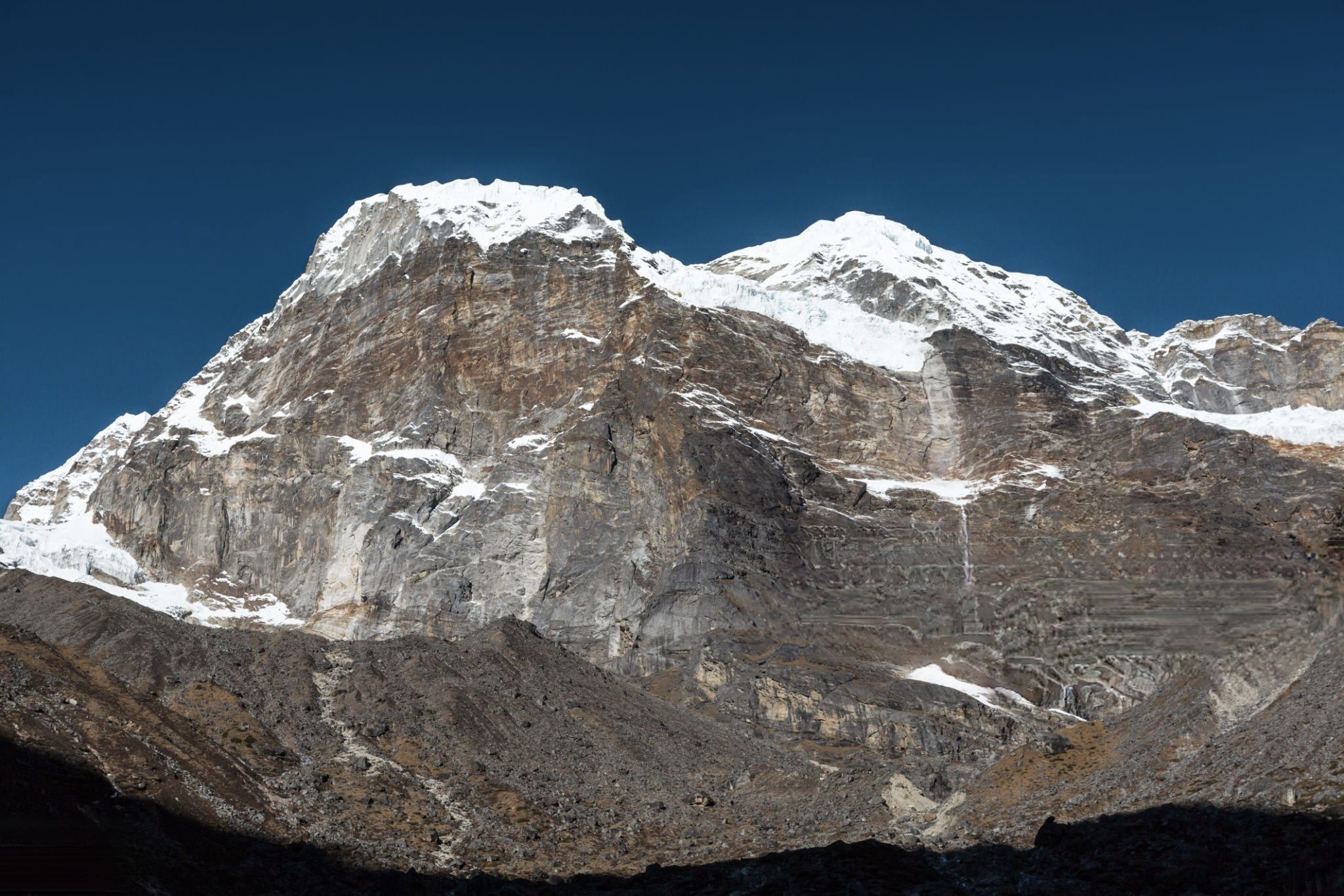
If you’re looking for a trek that will push your limits and reward you with breathtaking Himalayan views, the Goechala Trek in Sikkim should be on your bucket list. Known as one of the most challenging treks in India, Goechala takes you deep into the Kanchenjunga National Park and offers an unmatched view of the third-highest mountain in the world
But this trek is not for everyone. Goechala is rated as a moderate-difficult trek (Level 3), making it tougher than famous Himalayan treks like Rupin Pass or Buran Ghati. Let’s dive into what makes this trek so special — and so demanding.
Why Goechala is a Challenging Trek
1. Rapid Altitude Gain
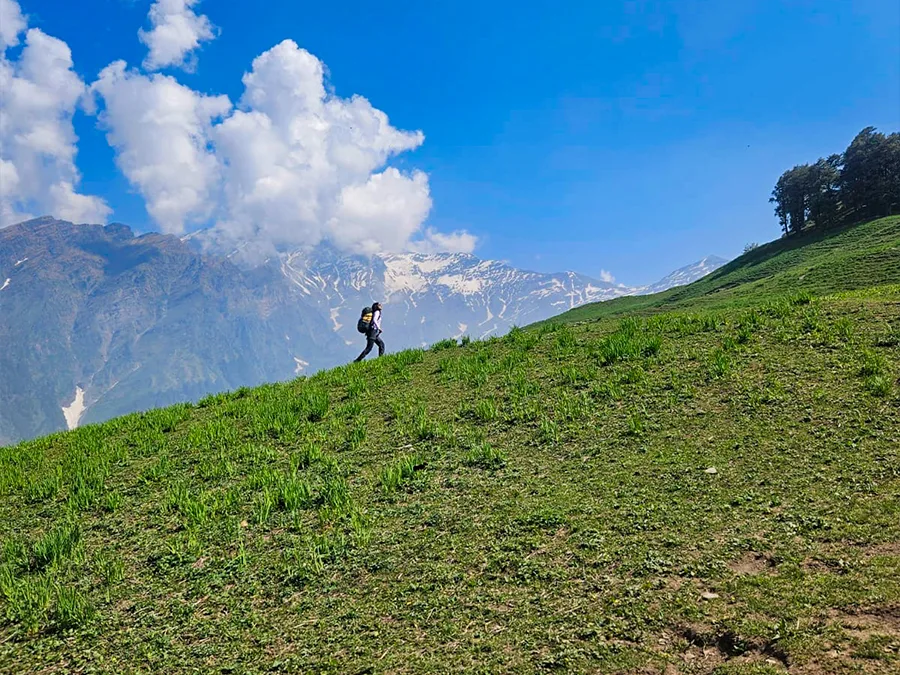
The trek starts from Yuksom at 5,800 feet, and within just three days, you gain nearly 7,000 feet in altitude, reaching Dzongri at 13,000 feet.
- Day 1: Yuksom → Sachen
- Day 2: Sachen → Tshoka
- Day 3: Tshoka → Dzongri
The most demanding section is the climb from Tshoka to Dzongri, where you gain almost 3,500 feet in a single day. This steep and continuous ascent can exhaust even seasoned trekkers.
2. Staying at High Altitude for Long
Unlike other treks where you climb to 13,000 feet, stay for a night or two, and descend, Goechala keeps you at 13,000 feet for nearly five days.
This prolonged stay at high altitude increases the risk of Acute Mountain Sickness (AMS), making acclimatization and preparation crucial.
3. Long and Grueling Summit Day
The climb to Viewpoint 1 (the iconic sunrise view of Kanchenjunga) is the most challenging part of the trek.
- You start trekking as early as 2:00 or 3:00 AM
- Cover 14-15 hours of trekking in one day
- Face continuous ascents at high altitude
This is where your mental endurance and physical stamina will be tested to the limit.
4. Unpredictable Weather
During the spring season (April-May), Goechala often experiences afternoon rain or light snow at higher camps. This can make trails slippery and challenging, requiring careful navigation.
5. Demanding Descents
Many trekkers underestimate the last two days of the trek. While you are descending, the trail is still long — around 13-14 km per day — which can be punishing on tired legs.
What Makes Goechala Worth It
Despite its challenges, Goechala is one of the most rewarding Himalayan treks:
- Iconic Views: Witness Mt. Pandim and Mt. Kanchenjunga towering over the trail.
- Pristine Trails: Dense rhododendron forests, alpine meadows, and sparkling streams keep you captivated.
- True Himalayan Experience: The difficulty makes the summit view feel all the more fulfilling.
How to Prepare for Goechala Trek
1. Build Physical Endurance
Start your fitness journey at least 8-10 weeks before the trek.
- Running: Aim to run 5 km in under 30 minutes at least 4-5 times a week.
- Strength Training: Focus on legs, core, and endurance exercises like squats, lunges, planks, and step-ups.
- Long Runs: Run 10 km a couple of times before the trek. Target a time of 60 minutes or less.
2. Prepare Mentally
This trek is as much a mental challenge as a physical one. Train yourself for long walking hours and mentally prepare for unpredictable weather and altitude effects.
3. AMS Awareness
Learn the symptoms of AMS (headache, nausea, dizziness) and do not ignore them. Always trek at a pace that allows proper acclimatization.
Best Time to Do Goechala Trek
- Spring (April–May): Best for rhododendron blooms and clear mountain views.
- Autumn (September–November): Crisp skies and perfect visibility of Kanchenjunga range.
Packing Essentials for Goechala
- Trekking Shoes: High-ankle waterproof shoes with good grip.
- Layered Clothing: Base layer, fleece, padded jacket, rain protection.
- Trekking Pole: Helps on steep ascents and descents.
- Headlamp: Essential for early summit push.
- Personal First-Aid Kit: Including Diamox (after consulting a doctor).
Final Thoughts
The Goechala Trek is a journey of endurance, strength, and mental grit. Its combination of steep ascents, long trekking hours, high altitude, and unpredictable weather makes it one of the toughest yet most rewarding Himalayan treks in India.
Prepare well, train consistently, and respect the mountains. The sunrise view of Kanchenjunga from Goechala Viewpoint 1 is a memory you’ll carry for a lifetime.
FAQs About Goechala Trek
Q1: What is the difficulty level of the Goechala Trek?
A: Goechala Trek is rated as a moderate-difficult (Level 3) trek, making it tougher than Rupin Pass or Buran Ghati. The trek involves steep ascents, long trekking days, and staying at high altitudes for multiple days, which makes it physically and mentally demanding.
Q2: How high is Goechala Trek?
A: The Goechala Trek takes you to an altitude of around 15,100 ft (4,600 m) at Viewpoint 1. You will spend several days around 13,000 ft, which requires good acclimatization and physical fitness.
Q3: What is the best time to do the Goechala Trek?
A: The best time to do the Goechala Trek is:
- Spring (April–May): For clear skies, blooming rhododendrons, and good visibility.
- Autumn (September–November): For crisp mountain views and pleasant weather.
Q4: How many days are required for the Goechala Trek?
A: The standard itinerary for the Goechala Trek is 8–10 days, including acclimatization and return. The long summit day to Viewpoint 1 can take up to 14–15 hours of trekking.
Q5: Do I need prior trekking experience for Goechala?
A: Yes, prior trekking experience is highly recommended. You should have completed at least one moderate-level Himalayan trek before attempting Goechala. This trek demands strong endurance and mental preparation.
Q6: How should I prepare for the Goechala Trek?
A: Begin your preparation at least 2 months in advance. Aim to run 5 km in 30 minutes, build leg and core strength, and train for long walking hours. Read our fitness guide for high-altitude treks for detailed tips.
Q7: What are the risks of AMS on Goechala Trek?
A: Since you stay at 13,000 ft for nearly five days, the risk of Acute Mountain Sickness (AMS) is higher. Be aware of symptoms like headache, nausea, and dizziness, and never ignore them. Ascend gradually and stay hydrated.
Q8: Is Goechala Trek safe during monsoon?
A: Monsoon (July–August) is not recommended due to heavy rains, leeches, and slippery trails. Stick to the spring and autumn seasons for a safer and more enjoyable trek.
Q9: What permits are required for Goechala Trek?
A: You need a permit to enter Kanchenjunga National Park. Most trekking organizers will arrange the permits, but carry a government ID (Aadhar/Passport/Voter ID) for verification.
Leave a Reply