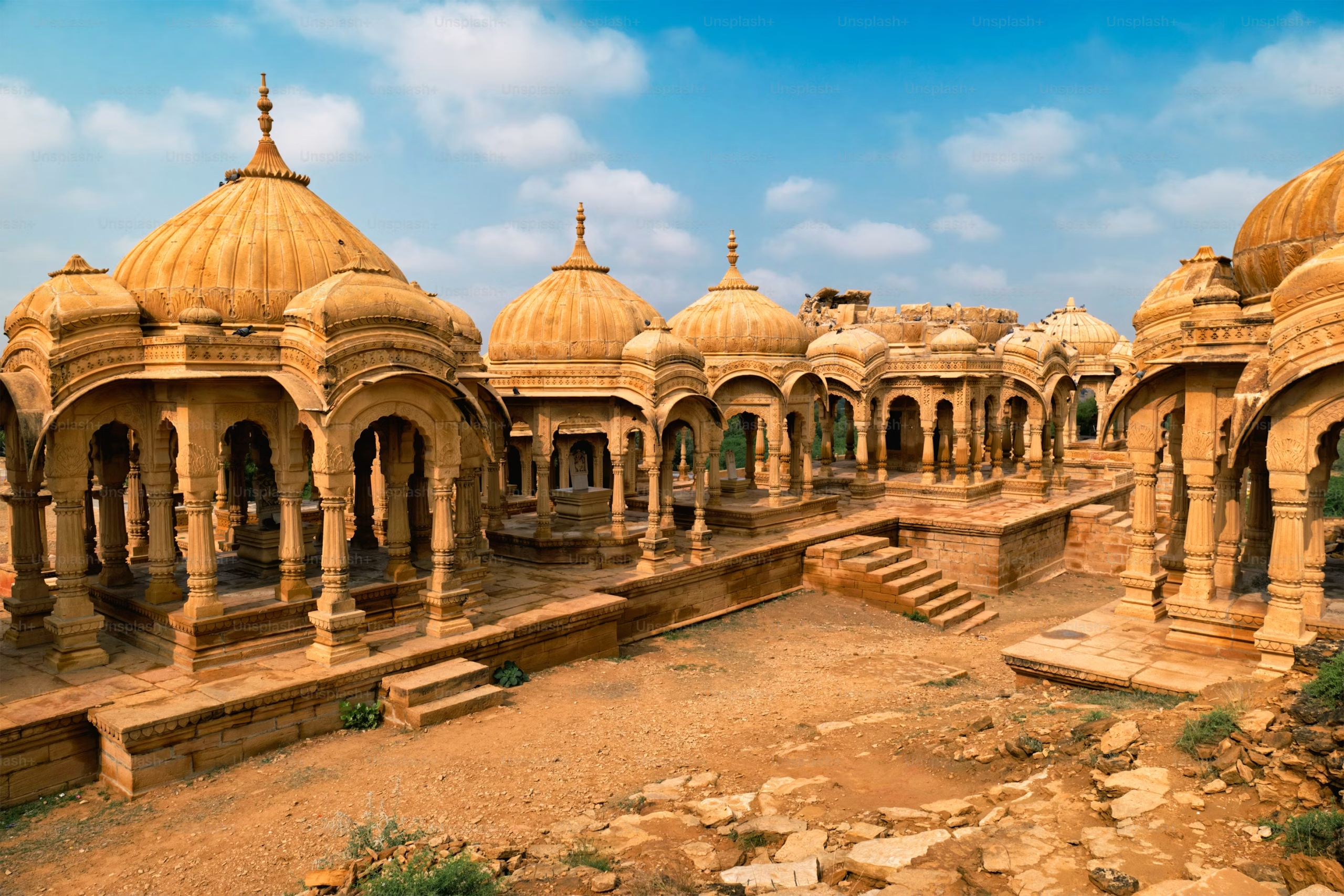
Rajasthan’s desert climate swings between extremes that can make or break your trip. Visit during the wrong months and you’ll spend more time hiding from the sun than exploring forts.
October through March delivers the comfortable weather that makes Rajasthan’s palaces, wildlife parks, and desert camps worth the journey. This guide covers month-by-month conditions, festival timing, and destination-specific recommendations to help you plan around the best travel window.
Best time to visit Rajasthan India
October to March is the best time to visit Rajasthan. The weather during these months stays cool and sunny, with warm days around 25°C and crisp nights that can dip to 5-10°C in desert areas. This window works well for exploring forts, wandering through palace courtyards, camping in the Thar Desert, and spotting tigers at wildlife reserves.
Summer runs from April through June, and temperatures regularly climb above 40°C. Outdoor sightseeing becomes exhausting and sometimes unsafe during these months. Monsoon arrives in July and lasts through September, bringing rain, green landscapes, and far fewer tourists, though some national parks close entirely.
- Winter (October to March): Cool, sunny weather ideal for sightseeing and festivals
- Summer (April to June): Extreme heat limits outdoor activities
- Monsoon (July to September): Lush scenery and thin crowds, but some closures
Best season to visit Rajasthan
Winter season
Winter brings the kind of weather that makes long days of exploration feel effortless. Mornings start cool, afternoons warm up nicely, and evenings invite you to sit around a campfire in the desert without breaking a sweat.
This is also when Rajasthan’s wildlife parks shine. Animals gather near shrinking water sources, and thinner vegetation makes spotting them easier. Fort visits feel pleasant rather than punishing, and you can walk through Jaipur’s bazaars without wilting.
Most of Rajasthan’s major festivals happen during winter too, so you get cultural experiences alongside comfortable weather.
Summer season
Summer in Rajasthan is genuinely harsh. Desert cities like Jaisalmer and Jodhpur see temperatures that make stepping outside feel like opening an oven door.
That said, hotel prices drop significantly during these months. If you’re working with a tight budget and can handle the heat, brief visits to air-conditioned museums or evening walks after sunset remain possible. Just know that midday outdoor activities are off the table.
Monsoon season
Monsoon transforms the desert landscape in unexpected ways. The usually brown and golden terrain turns green, and peacocks emerge to display their feathers.
Tourist crowds thin dramatically, which means popular sites feel more intimate. However, Ranthambore National Park and several other wildlife reserves close completely from July through September. If seeing tigers matters to you, monsoon timing won’t work.
The rain itself tends to be less intense than in other parts of India, arriving in bursts rather than constant downpours.
Best month to visit Rajasthan
| Month | Weather | Best For |
|---|---|---|
| October | Fresh, pleasant | Desert safaris, RIFF festival |
| November | Ideal temperatures | Pushkar Fair, Diwali |
| December | Cool days, cold nights | Heritage sightseeing |
| January | Pleasant days, chilly mornings | Nagaur Fair, literature festivals |
| February | Gradually warming | Desert festivals, outdoor exploration |
| March | Warm, rising toward hot | Holi celebrations |
October
October feels like Rajasthan taking a deep breath after monsoon. The air is fresh, visibility is excellent, and the landscape still holds traces of green.
The Rajasthan International Folk Festival happens at Jodhpur’s Mehrangarh Fort during this month, bringing musicians from around the world to perform against a dramatic backdrop. Desert activities like camel safaris become comfortable again after months of heat and rain.
November
November offers perhaps the most balanced weather across the entire state. Not too hot, not too cold, and dry throughout.
The Pushkar Camel Fair draws over six lakh pilgrims and international visitors during this month. Thousands of camels, horses, and cattle gather for trading while cultural performances fill the evenings. Diwali also typically falls in October or November, and watching Rajasthan’s palaces glow with oil lamps and candles creates lasting memories.
December and Rajasthan December weather
December brings excellent daytime conditions, though nights get properly cold. In desert areas, temperatures sometimes approach freezing after sunset.
This is peak tourist season with 1.5 crore tourists visiting in December alone, so booking accommodations early helps secure better options. The cold evenings actually enhance certain experiences, like sitting around fires at desert camps wrapped in blankets while stars fill the sky overhead.
January
January continues the pleasant pattern with comfortable midday temperatures and cold mornings. The Nagaur Fair and Jaipur Literature Festival both happen during this month, adding cultural depth to your visit.
Layers become essential. Early morning fort visits often come with mist settling over the landscape, which looks beautiful but feels chilly.
February
February hits a sweet spot before temperatures start climbing. Desert festivals continue, and the weather cooperates for long days of walking and exploring.
Holi preparations begin toward month’s end, adding colorful energy to markets and streets as vendors stock up on powdered colors and sweets.
March
March marks the transition out of comfortable touring weather. Holi, the spring festival of colors, happens during this month and offers one of India’s most vibrant cultural experiences.
By late March, temperatures rise noticeably. Morning activities work better than afternoon ones if you’re visiting during the second half of the month.
Rajasthan weather and temperature by month
| Month | Season | Conditions | Good for Travel |
|---|---|---|---|
| January | Winter | Cool days, cold nights | Yes |
| February | Winter | Pleasant, warming | Yes |
| March | Spring | Warm days | Yes (early month) |
| April | Summer | Hot | No |
| May | Summer | Very hot | No |
| June | Summer | Extreme heat | No |
| July | Monsoon | Rain, humid | Optional |
| August | Monsoon | Rain, humid | Optional |
| September | Monsoon | Rain easing | Optional |
| October | Winter | Pleasant | Yes |
| November | Winter | Ideal | Yes |
| December | Winter | Cool, cold nights | Yes |
Festivals and events in Rajasthan
Timing your visit around festivals adds a dimension that ordinary sightseeing can’t match. Most major celebrations fall within the October to March travel window.
Pushkar Fair
The Pushkar Camel Fair, locally called a “mela” (which simply means fair or gathering), happens every November beside Pushkar Lake. Traders bring thousands of camels, horses, and cattle for buying and selling, while musicians and performers fill the evenings with entertainment.
Pushkar Lake holds deep religious significance in Hinduism, so pilgrims mix with tourists and traders throughout the event. The atmosphere is chaotic, colorful, and unlike anything else in India.
Diwali in Rajasthan
Diwali, the festival of lights, transforms Rajasthan’s architecture into something magical. Palaces, forts, and havelis (traditional mansions) glow with thousands of oil lamps, candles, and electric lights.
Jaipur and Udaipur offer particularly memorable Diwali experiences. Fireworks reflect off lake waters and palace walls, and the entire state takes on a celebratory mood.
Holi in Rajasthan
Holi celebrates spring through the joyful throwing of colored powders and water. Strangers become friends for a day as everyone gets covered in bright pinks, yellows, and blues.
Celebrations vary by region. Udaipur hosts royal processions with elephants and traditional music, while Jaipur’s streets erupt in spontaneous street festivities. The festival typically falls in March.
Gangaur Festival
Gangaur honors Goddess Parvati and holds special significance in Rajasthan. Women dress in their finest clothes and jewelry, then join colorful processions through city streets carrying decorated idols.
Jaipur and Udaipur host the most elaborate celebrations, usually in March or April depending on the lunar calendar.
Rajasthan International Folk Festival
RIFF brings global musicians to Mehrangarh Fort in Jodhpur every October. Traditional Rajasthani performers share stages with international artists, and concerts happen in various spaces throughout the massive fort complex.
The timing coincides perfectly with ideal weather, making it worth building your trip around if music matters to you.
Best places to visit in Rajasthan
Jaipur
The Pink City serves as most travelers’ gateway to Rajasthan. Amber Fort sits on a hilltop outside the city, Hawa Mahal’s honeycomb facade has become iconic, and the City Palace still houses the royal family in one wing.
Beyond monuments, Jaipur offers excellent food and shopping. The bazaars sell everything from gemstones to block-printed textiles, making Jaipur’s cultural experiences worth exploring in depth. October through March provides comfortable conditions for exploring on foot.
Udaipur
Udaipur’s lakes and white palaces create Rajasthan’s most romantic setting. Lake Pichola reflects the City Palace and surrounding hills, and boat rides at sunset have become a signature experience.
The city stays more pleasant year-round than desert destinations because of the water. Heritage hotels occupy former palaces and mansions, offering a chance to sleep where royalty once lived.
Jaisalmer
The Golden City rises from the Thar Desert like a sandcastle made real. Jaisalmer Fort is one of the few “living forts” in the world, meaning people still reside and run businesses within its walls.
Desert camping and camel safaris define the Jaisalmer experience. You can spend a night at the Sam Sand Dunes watching the sun set over endless golden sand, one of India’s signature adventure experiences. Avoid summer entirely here, as desert heat becomes genuinely dangerous.
Jodhpur
The Blue City gets its name from the indigo-painted houses clustered beneath Mehrangarh Fort. The fort itself is one of India’s most impressive, rising straight up from rocky cliffs.
Old city markets sell spices, antiques, and handicrafts. Local cuisine includes distinctive dishes you won’t find elsewhere in Rajasthan. October visits coincide with RIFF, adding musical performances to an already compelling destination.
Ranthambore National Park
Ranthambore offers Rajasthan’s best chance for tiger sightings with its population of 88 tigers. A “safari” here means a guided jeep or open-vehicle tour through the park’s forests, lakes, and ancient ruins.
The park closes during monsoon from July through September. October through April provides optimal conditions, with vegetation thinning as the dry season progresses and animals becoming easier to spot.
Best time for wildlife safaris in Rajasthan
Safari timing affects your chances of seeing animals significantly. October through April works best because parks are open, vegetation has thinned, and animals congregate near water sources.
- Ranthambore National Park: Famous for tigers, closed July through September
- Sariska Tiger Reserve: Alternative tiger habitat with similar seasonal patterns
- Keoladeo National Park: Bird sanctuary near Bharatpur, best November to February when migratory birds arrive from Central Asia
Best time to tour Rajasthan for different travelers
Couples and honeymooners
November through February offers the most romantic conditions. Lake settings in Udaipur look their best, desert camps in Jaisalmer feel cozy rather than cold, and heritage hotels provide intimate settings without summer heat.
Families with children
October through December or February through March works well for families. Weather stays comfortable without being too cold for children, and activities like wildlife safaris and fort visits appeal across ages.
Budget travelers
Monsoon season and early summer bring lower prices and thinner crowds. The trade-off involves weather discomfort and some attraction closures, but significant savings are possible.
Photography enthusiasts
October and November deliver post-monsoon clarity and golden light. Festival season provides vibrant subjects, and early morning fort visits avoid crowds while offering soft, warm lighting.
Plan your Rajasthan trip with Advenzone
Coordinating transportation, accommodations, and activities across multiple Rajasthan cities involves many moving pieces. Having local support simplifies the process, especially for first-time visitors to India who may feel uncertain about logistics.
FAQs about the best time to go to Rajasthan
1. Which month should I avoid visiting Rajasthan?
May and June bring extreme temperatures that make outdoor sightseeing uncomfortable and potentially unsafe. Most travelers skip these months entirely unless budget savings outweigh weather concerns.
2. Is March too hot to travel to Rajasthan?
Early March remains pleasant for travel, though temperatures rise noticeably by month’s end. Morning activities work better than afternoon ones during the second half of March.
3. How many days are enough for a Rajasthan trip?
A week allows you to explore two to three major cities comfortably. Ten days or more lets you experience highlights without rushing between destinations.
4. What should I pack for Rajasthan in winter?
Layers work best, including a warm jacket for cold desert nights and comfortable walking shoes for fort exploration. Light clothing handles warm afternoons, but evenings require warmer options.
5. When do wildlife parks close in Rajasthan?
Most national parks including Ranthambore close during monsoon from July through September. Parks reopen in October when conditions improve for wildlife viewing.
Leave a Reply