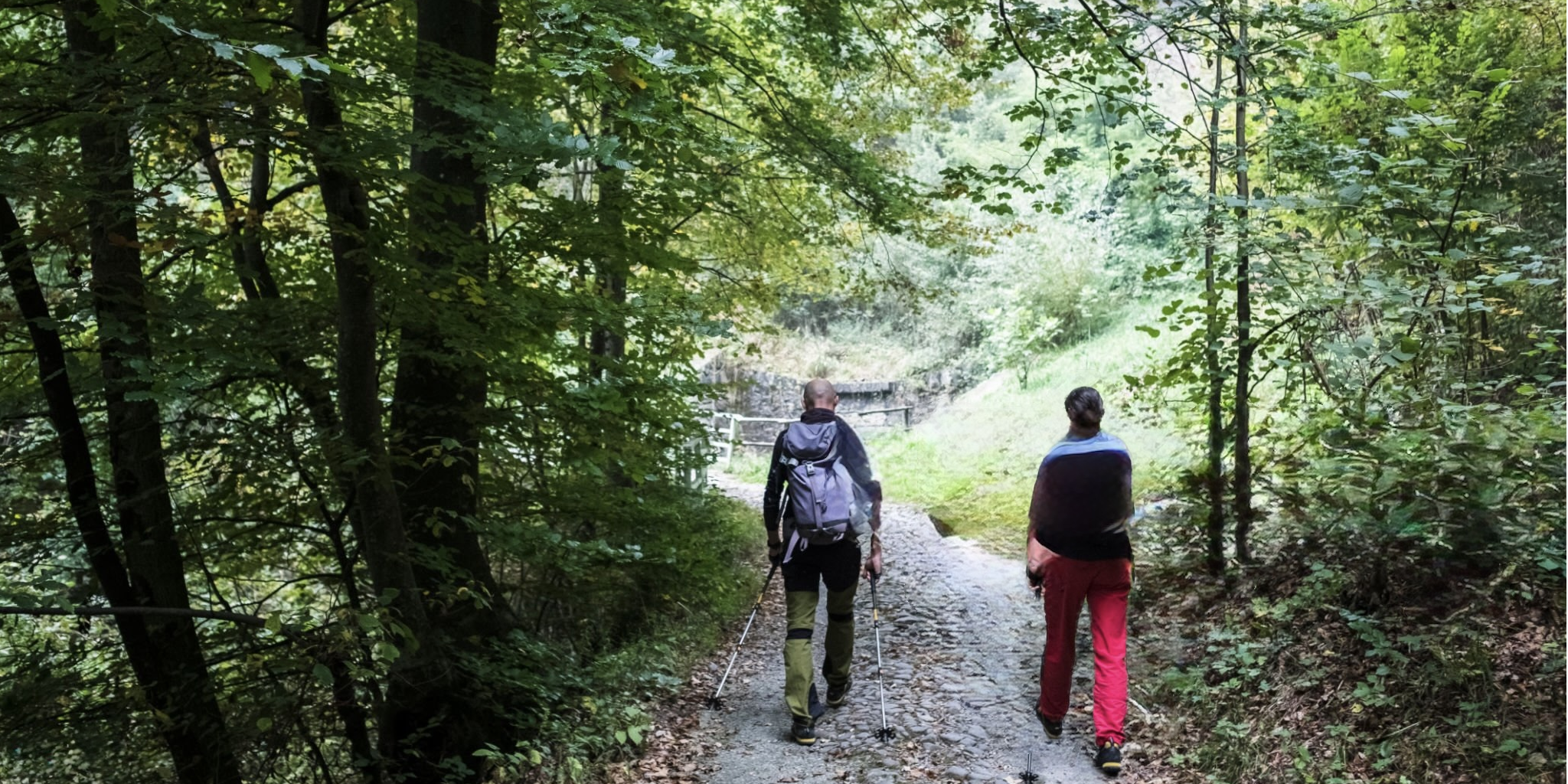
Your first multi-day trek doesn’t require years of hiking experience or elite fitness. Beginner trekking packages handle the logistics, set a comfortable pace, and put a guide by your side so you can focus on the trail ahead.
This guide covers the best destinations, what to look for in a tour, gear basics, and how to pick a trip that matches your comfort level and budget.
What is a beginner trekking package
Beginner trekking packages are short, guided trips lasting 2 to 5 days, designed for people who’ve never done a multi-day hike before. You’ll walk 3 to 8 miles per day on well-maintained trails, sleep in lodges or teahouses, and eat warm meals prepared for you. The elevation stays moderate, the pace stays comfortable, and a guide handles the logistics so you can focus on the trail.
What makes a package “beginner-friendly”? It comes down to three things that appeal to the 64.2% of adventure tourists choosing soft adventure activities:
- Shorter daily distances: Enough to feel accomplished, not enough to exhaust you
- Lower elevation: No extreme altitude exposure on your first trip
- Built-in support: Guides, meals, accommodations, and permits all arranged ahead of time
You’re not expected to show up with years of hiking experience. The whole point is to give you a supported first taste of trekking.
Best beginner-friendly trekking destinations
Some places have built their entire tourism culture around welcoming first-time trekkers. Good trails, reliable infrastructure, and friendly locals make the learning curve gentler.
Nepal and the Himalayan foothills
Nepal’s teahouse trekking scene is perfect for beginners, with the country welcoming 1,147,567 international visitors in 2024, nearly reaching pre-pandemic levels. Routes like Poon Hill offer Himalayan views without pushing you to extreme altitudes. Similar beginner-friendly options include the Valley of Flowers Trek in Uttarakhand.
Peru and the Sacred Valley
The Inca Trail gets all the attention, but Peru has gentler alternatives winding through the Sacred Valley. You’ll pass ancient ruins, meet local communities, and acclimatize to altitude gradually. The cultural immersion here is as memorable as the hiking itself.
Patagonia in Chile and Argentina
Torres del Paine delivers dramatic scenery without requiring mountaineering skills. Glaciers, granite towers, turquoise lakes. Lodge-to-lodge options keep things comfortable, and the trails are well-marked throughout.
European Alps and the Camino de Santiago
Europe’s trail infrastructure is exceptional. The Camino de Santiago offers centuries of pilgrimage history on gentle paths, while Alpine routes connect charming villages with reliable signage. You’ll find a bed and a hot meal waiting at the end of each day.
USA national parks for wilderness trekking
Yosemite, Grand Canyon, Zion. American national parks offer beginner-friendly day hikes and short backpacking loops with ranger support nearby, contributing to outdoor recreation’s $639.5 billion economic impact. The trails are well-maintained, and you can ease into wilderness trekking without venturing too far from help.
Why choose a guided hiking trip for your first trek
Going guided removes the mental load of planning so you can actually enjoy walking. First-time trekkers often underestimate how much energy goes into logistics, navigation, and decision-making on the trail. The adventure holiday approach simplifies everything for newcomers.
Expert guides and local knowledge
Guides know the terrain, set a sustainable pace, and share stories about the landscape you’d never discover alone. They’ve walked the same trails dozens of times. You benefit from that experience without having to earn it yourself.
All-inclusive convenience and logistics
Permits, meals, accommodations, gear transport. It’s all arranged before you arrive. You show up, walk, eat, sleep, and repeat. No scrambling to book lodges or figure out bus schedules mid-trip.
Safety and emergency support on the trail
Trained guides carry first aid supplies and know evacuation routes. They monitor the group’s energy levels and adjust plans when conditions change, following established altitude safety protocols.
Social benefits of hiking group trips
Trekking with a group means instant camaraderie. You’ll share meals, swap stories at the end of each day, and meet people who chose the same adventure you did. Solo travelers often find the group dynamic the best part of the experience.
Types of beginner trekking tours
Trekking packages come in different formats. Knowing the options helps you pick one that matches your comfort level.
| Type | Duration | Accommodation | Best for |
|---|---|---|---|
| Day hikes | Single day | None | Testing interest |
| Lodge-to-lodge | Multi-day | Lodges | Comfort seekers |
| Camping-based | Multi-day | Tents | Nature immersion |
| Cultural treks | Varies | Homestays | Cultural connection |
Day hikes and short hiking adventures
Day hikes let you test your fitness and interest without committing to multiple nights on the trail. You return to your base each evening, so there’s no pressure to carry gear or sleep outdoors.
Multi-day lodge-to-lodge trekking trips
Lodge-to-lodge is the most popular format for beginners. You sleep in comfortable lodges each night with hot meals provided. No tent setup, no heavy pack. Just walking and resting. The Kedarkantha Trek exemplifies this comfortable approach for first-timers.
Camping-based trekking expeditions
Camping trips offer deeper wilderness immersion. You’ll sleep in tents, eat camp meals, and experience the outdoors more fully. This format requires flexibility and comfort with simpler conditions.
Cultural and village trekking holidays
Cultural treks combine gentle hiking with homestays and local traditions. If you care as much about meeting people as covering miles, this format delivers both.
How to choose your first trekking tour
With so many options, narrowing things down can feel overwhelming. A few honest questions help clarify what fits.
Assess your fitness level for hiking vacations
“Beginner-friendly” typically means you can walk several hours on uneven terrain without exhaustion. You don’t need to be an athlete. Regular walks and occasional hikes prepare most people adequately.
Define your comfort and accommodation preferences
Do you want a private room or are you fine sharing? Lodge or tent? Hot shower or bucket wash? Knowing your preferences upfront saves frustration later.
Set your budget and trip timeline
Prices vary by destination, duration, and inclusions. Define your range early so you’re comparing similar trips. A week in Nepal costs differently than a week in Patagonia.
Compare trekking tour operators and reviews
Look for transparent itineraries, verified reviews, and responsive customer support. Good operators welcome questions before you book. If getting answers feels difficult, that’s worth noting.
Tip: Ask operators what’s included and what’s not. Hidden costs for permits, tips, or gear rentals add up quickly.
What to expect on your first trekking adventure
A typical day on a beginner trek follows a predictable rhythm. Knowing what’s coming helps you relax into it.
- Morning: Early breakfast, gear check, trail briefing from your guide
- On the trail: Steady pace with breaks for water, snacks, and photos
- Midday: Lunch at a scenic spot or village
- Afternoon: Final stretch to your lodge or camp
- Evening: Dinner, conversation, and prep for the next day
The pace is designed to be sustainable. You’re not racing. You’re walking, looking around, and taking it in.
Essential gear for beginner hiking trips
You don’t need expensive gear to start. Focus on comfort, versatility, and the basics.
Footwear and layered clothing
Broken-in hiking boots matter more than brand names. Moisture-wicking layers and a rain jacket handle most conditions. Blisters ruin trips, so prioritize footwear that fits well.
Backpacks and hydration gear
A daypack for essentials is usually all you carry. Porters or pack animals often transport main luggage on guided trips. Bring a water bottle or hydration bladder you’re comfortable using.
Navigation and trail safety items
Headlamp, basic first aid, sun protection. Guides handle navigation, but personal safety items are your responsibility. A small kit covers most situations.
Gear provided by trekking tour operators
Many operators include trekking poles, sleeping bags, and other gear in the package. Check the inclusions before buying anything new. You might already have what you need.
Best time to book beginner trekking trips by region
Weather and trail conditions vary dramatically by season. Timing your trip well makes a real difference.
- Nepal: Spring and autumn bring stable weather and clear mountain views. India: Winter treks offer snow-covered trails from December through February
- Peru: The dry season from May through September offers the best trail conditions
- Patagonia: Summer months from December through February bring milder temperatures
- Europe: Late spring through early autumn suits most trails
- USA parks: Varies by park, so research your specific destination
Booking several months ahead secures your spot, especially for popular routes during peak seasons.
How much do beginner trekking packages cost
Prices depend on destination, duration, inclusions, and group size. Rather than fixating on a number, focus on what you’re getting for your money.
Budget-friendly hiking vacation packages
Shorter trips, shared accommodations, and popular destinations typically offer lower price points. You’ll still get a quality experience with good guides and comfortable lodging. Budget adventure packages start from surprisingly affordable rates for multi-day treks.
Mid-range trekking tours
A balance of comfort and adventure. Private rooms, quality meals, experienced guides. This is where most beginners land, and it covers the essentials well.
Premium all-inclusive trekking holidays
Higher-end lodges, smaller groups, additional activities, and enhanced support. Worth considering if you value extra comfort and personalized attention on your first trip.
Find your perfect beginner trek with Advenzone
Browsing trekking packages can feel overwhelming, but it doesn’t have to be. We’ve made it easy to explore options, compare trips, and get answers when you’re unsure.
Not sure where to start? That’s okay.
Need help? Just ask! We’re here to assist you.
Explore beginner trekking packages →
FAQs about beginner trekking packages
1. Can I join a trekking tour if I have never hiked before?
Yes. Beginner trekking tours are designed specifically for first-timers with no prior experience. Manageable distances and full guide support make them accessible to anyone reasonably active.
2. What happens if I cannot keep up with the group on a guided hiking trip?
Guides adjust pacing for the group and provide encouragement throughout the day. Most beginner trips build in flexibility for slower hikers, and no one gets left behind.
3. Do I need to buy trekking gear or can I rent it from tour operators?
Many operators provide or rent essential gear like poles and sleeping bags. Check the inclusions before purchasing anything new.
4. Are beginner trekking packages suitable for solo travelers?
Absolutely. Hiking group trips welcome solo travelers and offer built-in community on the trail. You’ll meet people quickly.
5. How far in advance should I book a trekking trip?
Booking several months ahead secures your spot, especially for popular routes during peak seasons. Last-minute availability exists but isn’t guaranteed.
6. What fitness training helps before my first trekking adventure?
Regular walking, stair climbing, and light cardio prepare your body well. No extreme fitness regimen required. If you can walk for a few hours comfortably, you’re ready.
Leave a Reply