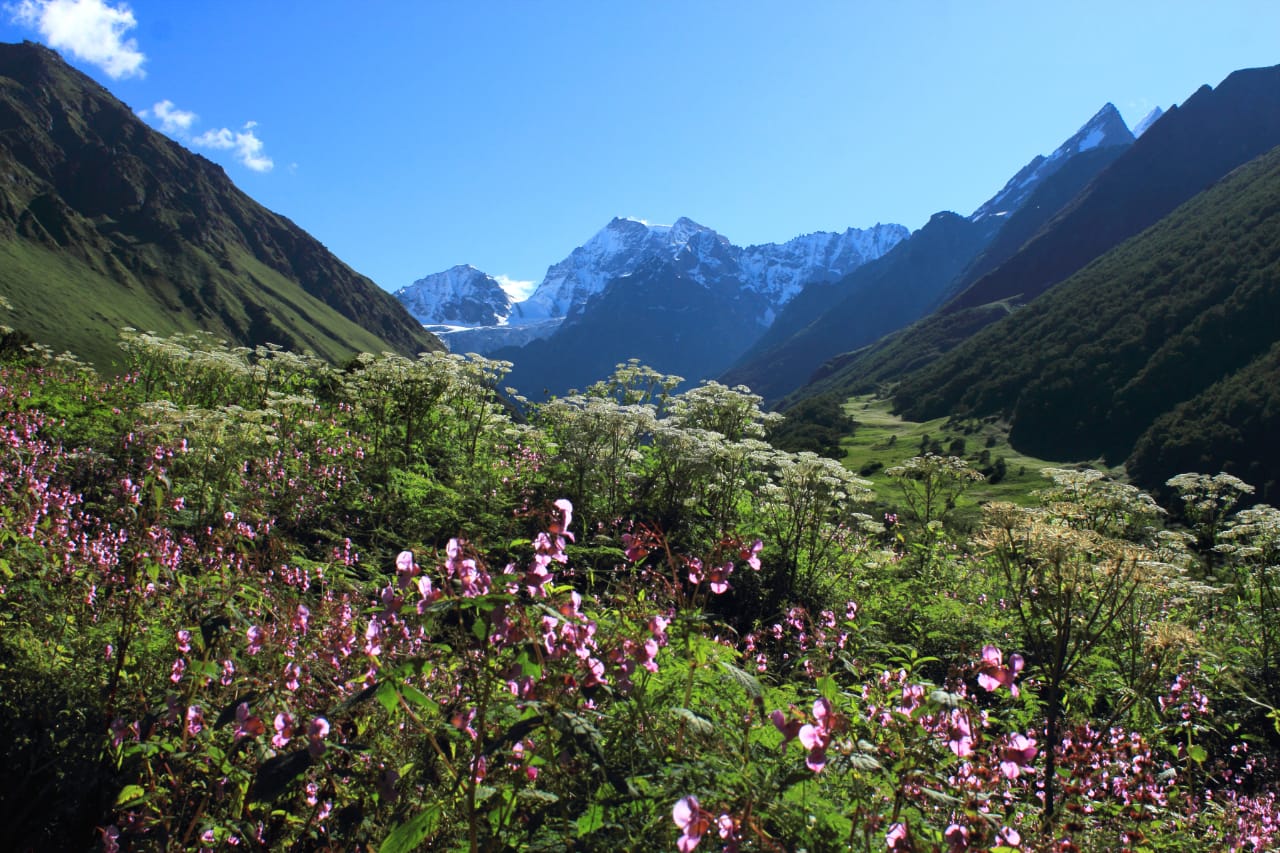
Thin air changes everything. At 14,000 feet, a simple walk uphill can leave even fit hikers gasping, and the rules that work at sea level no longer apply for the 200 million individuals who travel to high-altitude destinations annually.
High altitude trekking rewards those who prepare thoughtfully and respect the mountain’s pace. This guide covers training strategies, acclimatization principles, altitude sickness prevention, and practical tips that help you reach stunning summits safely.
What is High Altitude Trekking
High altitude trekking means hiking above 8,000 feet (2,400 meters) where the air contains less oxygen than at sea level. Your body works harder with every step because each breath delivers fewer oxygen molecules to your muscles and brain. Even walking uphill can leave you winded in ways that feel surprising if you’re fit at lower elevations.
The altitude categories break down like this:
- High altitude: 8,000 to 12,000 feet, where most people first notice breathlessness and fatigue
- Very high altitude: 12,000 to 18,000 feet, where acclimatization becomes critical for safety
- Extreme altitude: Above 18,000 feet, typically reserved for experienced mountaineers
As you climb higher, the effects compound. Your heart beats faster, your breathing quickens, and tiredness arrives sooner than you’d expect. None of this means you can’t do it. It just means you’ll want to prepare.
How to Train for High Altitude Hiking
Starting a training program 8-12 weeks before your trek gives your heart, lungs, and legs time to build the capacity you’ll rely on at elevation.
Cardiovascular Endurance Workouts
Aerobic fitness matters more than raw strength for altitude trekking. Running, cycling, swimming, and stair climbing all work well because they train your body to use oxygen efficiently over long periods. The goal is sustained effort, not speed. Sessions that keep your heart rate elevated for 45-60 minutes build the endurance base you’ll draw from on trekking days.
Strength and Leg Conditioning
Your legs carry you up mountains, so they deserve attention. Squats, lunges, and step-ups build the power for steep ascents. Core exercises help you stay balanced on rocky, uneven trails. Your back and shoulders matter too since they’ll support your pack for hours at a time.
Simulating Elevation Without Mountains
If you live at sea level, you can still prepare effectively. Stair workouts with a weighted pack come closest to mimicking actual trekking demands. Some people use altitude training masks or sleep in hypoxic tents, though neither fully replicates real mountain conditions. They help, but they’re not magic.
Sample Training Plan for High Altitude
| Weeks | Cardio Focus | Strength Focus | Intensity |
|---|---|---|---|
| 1-4 | Steady-state cardio to build base | Core and leg foundations | Light |
| 5-8 | Interval training and hill work | Hiking with loaded pack | Moderate |
| 9-12 | Long endurance sessions | Gradual taper before departure | Intensive |
How to Prepare for Hiking in High Altitude
Physical training is one piece. Mental readiness and practical logistics fill in the rest.
Physical Preparation Checklist
Before you leave, work through a few essentials:
- Schedule a medical check-up and mention your altitude plans to your doctor
- Test all your gear on practice hikes so nothing surprises you on the mountain
- Complete several hikes wearing your fully loaded pack
- Get your sleep habits consistent so you arrive rested
Mental Preparation Strategies
Altitude tests patience as much as fitness. Progress feels slow. Breathing feels labored. The trekkers who do well aren’t always the fastest or strongest. They’re often the ones who accept the mountain’s pace without fighting it.
Visualization helps here. Picture yourself moving slowly, breathing deeply, staying calm when the trail feels endless. That mental rehearsal pays off when you’re actually there.
When to Start Your Preparation
Three months before departure gives you room to adjust if something goes wrong. An injury, delayed gear, or schedule changes won’t derail your plans if you’ve built in buffer time. Rushing preparation rarely ends well.
Why Acclimatization Matters for High Altitude Success
Acclimatization is your body’s gradual adaptation to reduced oxygen. Rush it, and you risk serious illness. Respect it, and your body becomes surprisingly capable at elevation.
How Your Body Adapts to Altitude
Over several days at elevation, your body makes adjustments. Your breathing rate increases. Your blood produces more red blood cells to carry oxygen. Your heart finds a new rhythm. All of this takes time, which is why patience isn’t just helpful. It’s essential.
Acclimatization Schedule Guidelines
Well-designed trek itineraries include rest days at key elevations, usually around 2,500-3,000 meters before pushing higher. Skipping these acclimatization days remains one of the most common and dangerous mistakes trekkers make. Above 3,000 meters, limiting daily elevation gain to around 300-500 meters helps your body keep pace with the climb. Going faster than your body can adapt invites trouble.
Climb High and Sleep Low
This classic mountaineering principle works remarkably well. During the day, you climb to a higher point, then descend to sleep at a lower elevation. The exposure-and-recovery pattern accelerates adaptation while reducing overnight stress on your system. Many successful itineraries build this approach directly into the schedule.
Altitude Sickness Warning Signs and Prevention
Acute Mountain Sickness, often called AMS, affects trekkers regardless of fitness level or experience, with prevalence reaching 21.9% at 4,559 meters. Recognizing symptoms early and responding appropriately can mean the difference between a minor setback and a medical emergency.
Symptoms of Acute Mountain Sickness
Watch for warning signs as you gain elevation:
- Headache: The most common early indicator, often appearing within hours of ascending
- Nausea and dizziness: Signals that your body is struggling to adjust
- Fatigue and weakness: Beyond the normal tiredness of hiking
- Sleep disturbances: Difficulty sleeping despite exhaustion
Any of these symptoms deserve attention. Ignoring them rarely makes them go away.
How to Prevent Altitude Sickness
Prevention centers on giving your body what it needs. Slow ascent. Consistent hydration. Adequate rest. Avoiding alcohol helps since it contributes to dehydration. Limiting caffeine works for the same reason.
Some trekkers take Diamox (Acetazolamide) after consulting their doctor. Diamox increases your breathing rate, helping your body take in more oxygen. It aids acclimatization but doesn’t replace proper pacing.
When to Descend Immediately
Certain symptoms demand immediate action. Confusion, loss of coordination, severe breathlessness at rest, or a persistent cough with pink frothy sputum all indicate serious conditions. Descent is the only reliable treatment. Don’t wait to see if symptoms improve on their own.
Essential Tips for Hiking at High Altitude
Once you’re on the trail, daily habits determine your comfort and safety. Some of these practices feel counterintuitive at first, yet they’re proven by generations of mountain travelers.
1. Pace Yourself Using Heart Rate Zones
The best trekkers are often the last ones up the hill. Moving slowly conserves energy and allows your body to process limited oxygen more effectively. Here’s a simple test: if you can’t hold a conversation while walking, you’re probably going too fast. Slow down. You’ll get there.
2. Stay Hydrated at Altitude
Dehydration accelerates at elevation because you lose more moisture through breathing in dry mountain air, with mountaineers experiencing water loss of 3.3 L/day at extreme altitudes. Drinking consistently throughout the day works better than gulping large amounts occasionally. A properly chosen hydration pack makes this easier during long trekking days. Your urine color offers a reliable indicator. Pale yellow means you’re on track. Dark yellow means drink more.
3. Practice High Altitude Breathing Techniques
Deep, slow breathing from the very start of your trek helps maximize oxygen intake. On steeper sections, pressure breathing can provide extra relief. To pressure breathe, exhale forcefully through pursed lips, almost like blowing out a candle. This technique helps push more air out of your lungs, making room for fresh oxygen.
4. Prioritize Sleep and Rest
Sleep often becomes elusive at altitude, even when you’re exhausted. Sleeping at lower elevations when possible helps. Avoiding sleeping medications is wise since they can mask symptoms of altitude sickness. When fatigue hits during the day, rest. Your body is telling you something.
5. Fuel with Proper Nutrition
Your appetite might decrease at altitude, yet your caloric needs increase. Easily digestible carbohydrates provide quick energy. Eating small meals frequently works better than large, heavy ones. Even if you’re not hungry, eating something keeps your energy stable.
Gear and Equipment for High Altitude Mountaineering
High altitude environments demand gear that handles extreme temperature swings, intense sun, and unpredictable weather.
Clothing Layers for Extreme Conditions
The layering system keeps you comfortable across changing conditions:
- Base layer: Moisture-wicking synthetic or merino wool worn against your skin
- Mid layer: Insulating fleece or down for warmth
- Outer layer: Windproof and waterproof shell for protection from elements
Footwear and Traction Gear
Sturdy, well-fitted boots prevent blisters and provide ankle support on rocky terrain. Depending on your route, crampons or traction devices might be necessary for icy sections. Breaking in new boots before your trek saves a lot of pain later.
Packing Tips for High Altitude Treks
Every extra item strains your body at altitude. Pack only what you’ll actually use, and question whether each item truly earns its weight. Your future self, gasping up a steep switchback, will appreciate the restraint.
Top Destinations for High Altitude Trekking
Everest Base Camp in Nepal
The iconic trek to 17,598 feet offers stunning Himalayan panoramas and immersion in Sherpa culture. Most trekkers complete the journey in 12-14 days, with built-in acclimatization stops along the way.
Mount Kilimanjaro in Tanzania
Africa’s highest peak takes you through five distinct climate zones, from rainforest to arctic summit. The variety makes each day feel like a different adventure entirely. For those seeking high-altitude winter adventures closer to India, several Himalayan treks offer similar elevation challenges with snow-covered landscapes.
Inca Trail in Peru
This historic route combines altitude challenge with ancient ruins, culminating at Machu Picchu. The four-day trek reaches 13,828 feet at its highest pass. India’s Kedarkantha winter trek offers similar high-altitude challenges at 12,500 feet with stunning snow-covered trails.
Start Your High Altitude Adventure with Confidence
Preparation and patience unlock incredible mountain experiences. With proper training, respect for acclimatization, and awareness of your body’s signals, high altitude trekking becomes an achievable goal rather than an intimidating challenge.
Need help planning your trek? Just ask!
We’re here to assist you.
Explore high altitude adventures →
Frequently Asked Questions About High Altitude Trekking
1. How much harder is hiking at high altitude compared to sea level?
Hiking at altitude feels significantly more demanding because each breath delivers less oxygen. A trail that would feel moderate at sea level can feel strenuous above 10,000 feet, and your pace will naturally slow depending on elevation.
2. What medications help with altitude sickness?
Diamox (Acetazolamide) is the most commonly prescribed medication to aid acclimatization. It works by increasing your breathing rate, helping your body take in more oxygen. Consulting a doctor before your trip is essential since medication supports but doesn’t replace proper acclimatization.
3. Can beginners train for high altitude hiking while living at sea level?
Yes. Cardiovascular training, stair workouts with weighted packs, and building overall endurance all prepare your body effectively. While nothing fully replicates actual altitude exposure, fit sea-level residents successfully complete high altitude treks regularly.
4. How long does the body take to acclimatize to high altitude?
Individual adaptation varies, though most trekkers benefit from spending 2-3 days at moderate altitude (around 8,000-10,000 feet) before ascending higher. Well-designed itineraries build in rest days that allow your body to catch up with elevation gains.
5. Is there an age limit for high altitude trekking?
No strict age limit exists. Trekkers in their 60s and 70s regularly complete challenging routes like Everest Base Camp. A thorough medical evaluation helps assess cardiovascular health and overall fitness regardless of age.
Leave a Reply