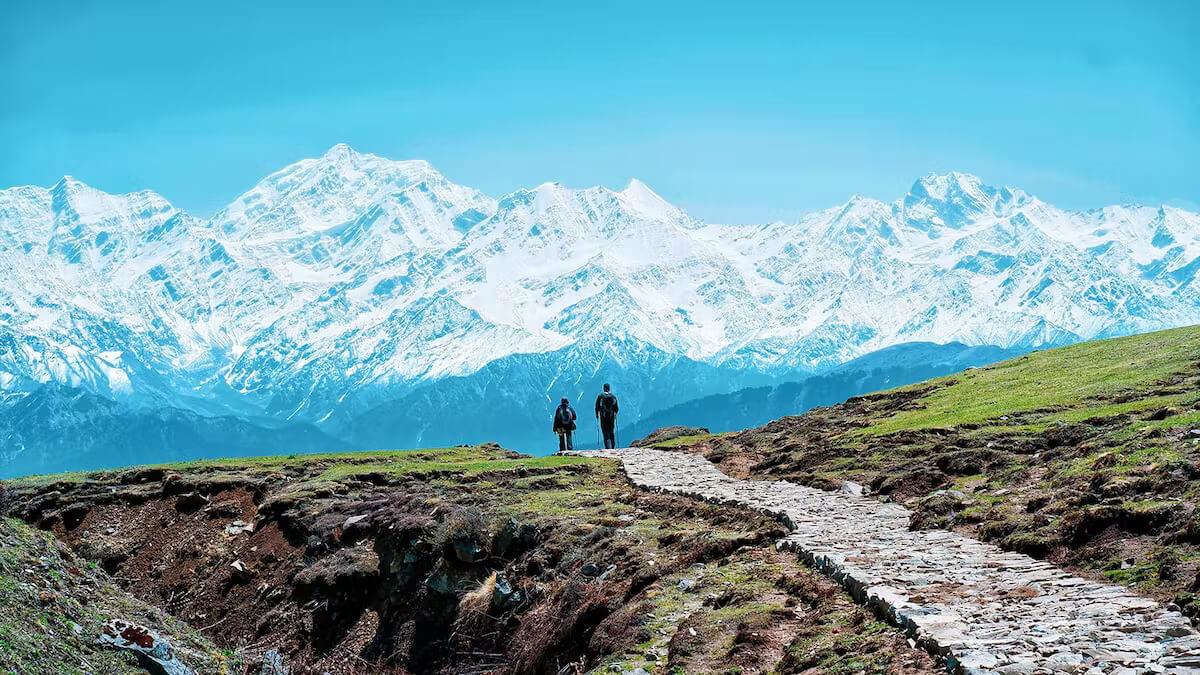
Your first trek can be one of the most rewarding experiences of your life. The thrill of reaching a mountain summit, walking through forests, crossing rivers, and witnessing breathtaking views is unmatched.
However, many first-time trekkers underestimate the challenges involved. Small mistakes can turn an exciting adventure into an uncomfortable experience.
To help you enjoy your journey safely, here are the 15 most common mistakes beginner trekkers make—and how to avoid them.
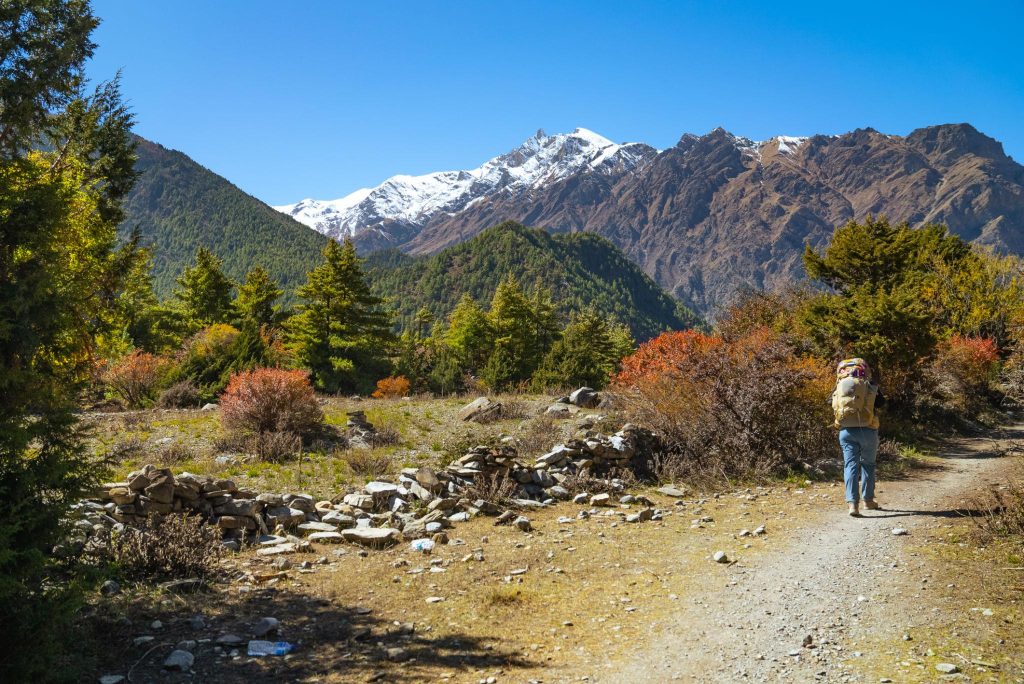
1. Choosing a Trek Beyond Your Fitness Level
Many beginners get inspired by social media photos and immediately sign up for difficult high-altitude treks.
The Problem
- Exhaustion
- Altitude issues
- Increased injury risk
The Solution
Start with beginner-friendly treks such as:
- Kedarkantha Trek
- Kuari Pass Trek
- Valley of Flowers Trek
Build confidence before attempting challenging expeditions.
2. Ignoring Physical Preparation
Trekking requires stamina, endurance, and leg strength.
Common Mistake
Starting fitness preparation just a few days before departure.
What You Should Do
Begin training 4–6 weeks before your trek:
- Walking
- Jogging
- Stair climbing
- Squats
- Core exercises
Even 30 minutes of daily exercise can make a huge difference.
3. Buying New Trekking Shoes at the Last Minute
Brand-new shoes often cause blisters and discomfort.
Pro Tip
Wear your trekking shoes for at least 2 weeks before the trek.
This helps:
- Break in the shoes
- Identify fitting issues
- Prevent painful blisters
4. Carrying Too Much Luggage
One of the biggest beginner mistakes is overpacking.
Common Items People Don’t Need
- Multiple jackets
- Excess clothing
- Heavy gadgets
- Unnecessary toiletries
Golden Rule
Pack light and carry only essentials.
Your backpack should feel manageable throughout the journey.
5. Not Drinking Enough Water
Many trekkers reduce water intake to avoid frequent breaks.
Why This Is Dangerous
- Dehydration
- Fatigue
- Headaches
- Increased altitude sickness risk
Recommendation
Drink water regularly, even when you don’t feel thirsty.
6. Ignoring Altitude Acclimatization
Altitude affects everyone differently.
Symptoms
- Headache
- Nausea
- Dizziness
- Fatigue
How to Avoid It
- Ascend gradually
- Stay hydrated
- Rest adequately
- Follow your trek leader’s instructions
Never ignore altitude-related symptoms.
7. Wearing Cotton Clothing
Cotton absorbs sweat and dries slowly.
Better Alternative
Choose:
- Moisture-wicking t-shirts
- Quick-dry trekking pants
- Thermal layers
These keep you comfortable throughout the trek.
8. Skipping Warm-Up Exercises
Many trekkers start walking immediately without preparing their muscles.
Result
- Muscle strain
- Knee pain
- Early fatigue
Spend 5–10 minutes stretching before starting each day.
9. Focusing Only on the Destination
Many beginners rush to reach the summit.
What They Miss
- Scenic landscapes
- Wildlife
- Local culture
- Photography opportunities
Remember:
The journey is just as important as the destination.
10. Not Carrying Rain Protection
Mountain weather can change rapidly.
Always Carry
- Rain jacket
- Backpack rain cover
- Waterproof pouch for electronics
Being prepared can save your entire trek.
11. Underestimating Sun Exposure
Even when temperatures feel cool, UV exposure at higher altitudes is intense.
Essential Items
- Sunglasses
- Sunscreen SPF 50+
- Cap or hat
Sunburn is surprisingly common during Himalayan treks.
12. Ignoring Trek Leader Instructions
Trek leaders understand terrain, weather conditions, and safety protocols.
Common Beginner Error
Trying shortcuts or walking ahead alone.
Best Practice
Always stay with your group and follow guidance.
13. Not Carrying Personal Medication
Medical facilities are often unavailable on remote trekking routes.
Carry
- Basic first-aid kit
- Personal medications
- Pain relief tablets
- Band-aids
- ORS packets
A small medical pouch can be extremely useful.
14. Comparing Yourself with Others
Every trekker has different fitness levels and experience.
Don’t Worry If
- Someone walks faster
- Others seem stronger
- You need more breaks
Focus on maintaining your own comfortable pace.
Trekking is not a race.
15. Forgetting to Enjoy the Experience
Many first-time trekkers become overly focused on schedules and physical challenges.
Take time to:
- Watch the sunrise
- Appreciate the mountains
- Capture memories
- Connect with fellow trekkers
These moments often become the most memorable part of the journey.
Essential Checklist for First-Time Trekkers
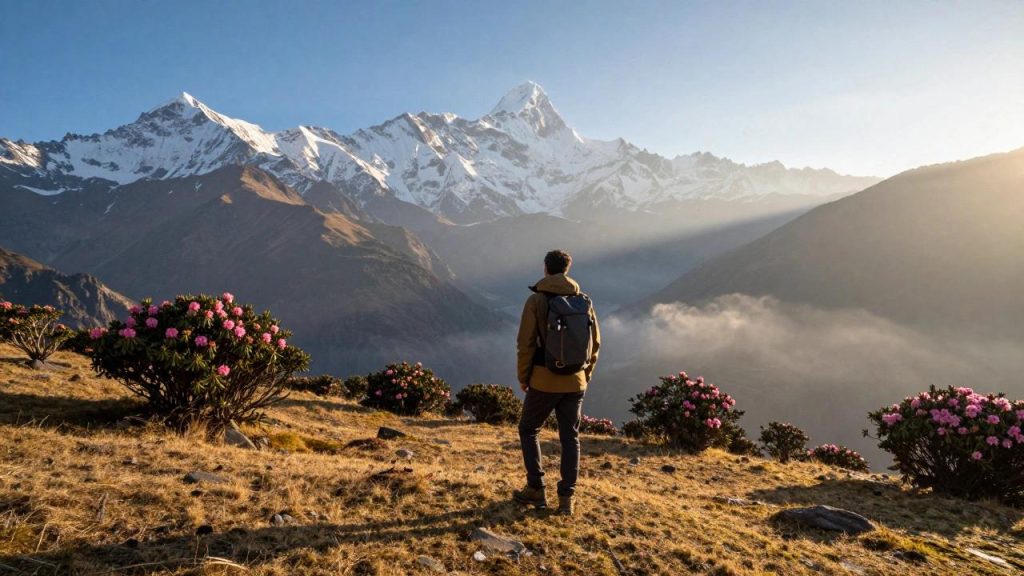
Before your trek, ensure you have:
✔ Trekking shoes
✔ Backpack
✔ Water bottle
✔ Rain jacket
✔ Warm layers
✔ Sunglasses
✔ Sunscreen
✔ Personal medicines
✔ Energy snacks
✔ Power bank
Final Thoughts
Every experienced trekker was once a beginner. Mistakes are part of the learning process, but proper preparation can help you avoid unnecessary challenges.
Start with a beginner-friendly trek, prepare your body, pack wisely, and most importantly—enjoy the adventure.
The mountains are not just about reaching the summit; they are about discovering your own strength, patience, and love for nature.
Your first trek may only last a few days, but the memories will stay with you for a lifetime.
FAQs
Which trek is best for beginners in India?
Kedarkantha Trek, Kuari Pass Trek, and Valley of Flowers Trek are excellent beginner-friendly options.
How should I prepare for my first trek?
Focus on cardio exercises, walking, stair climbing, and strength training for at least 4–6 weeks before departure.
What is the most common trekking mistake?
Overpacking and poor fitness preparation are among the most common beginner mistakes.
How much water should I drink during a trek?
Aim for regular hydration throughout the day, depending on weather and altitude conditions.
Are guided treks safer for beginners?
Yes. Guided treks provide route knowledge, safety support, emergency assistance, and better overall trekking experiences.
Leave a Reply