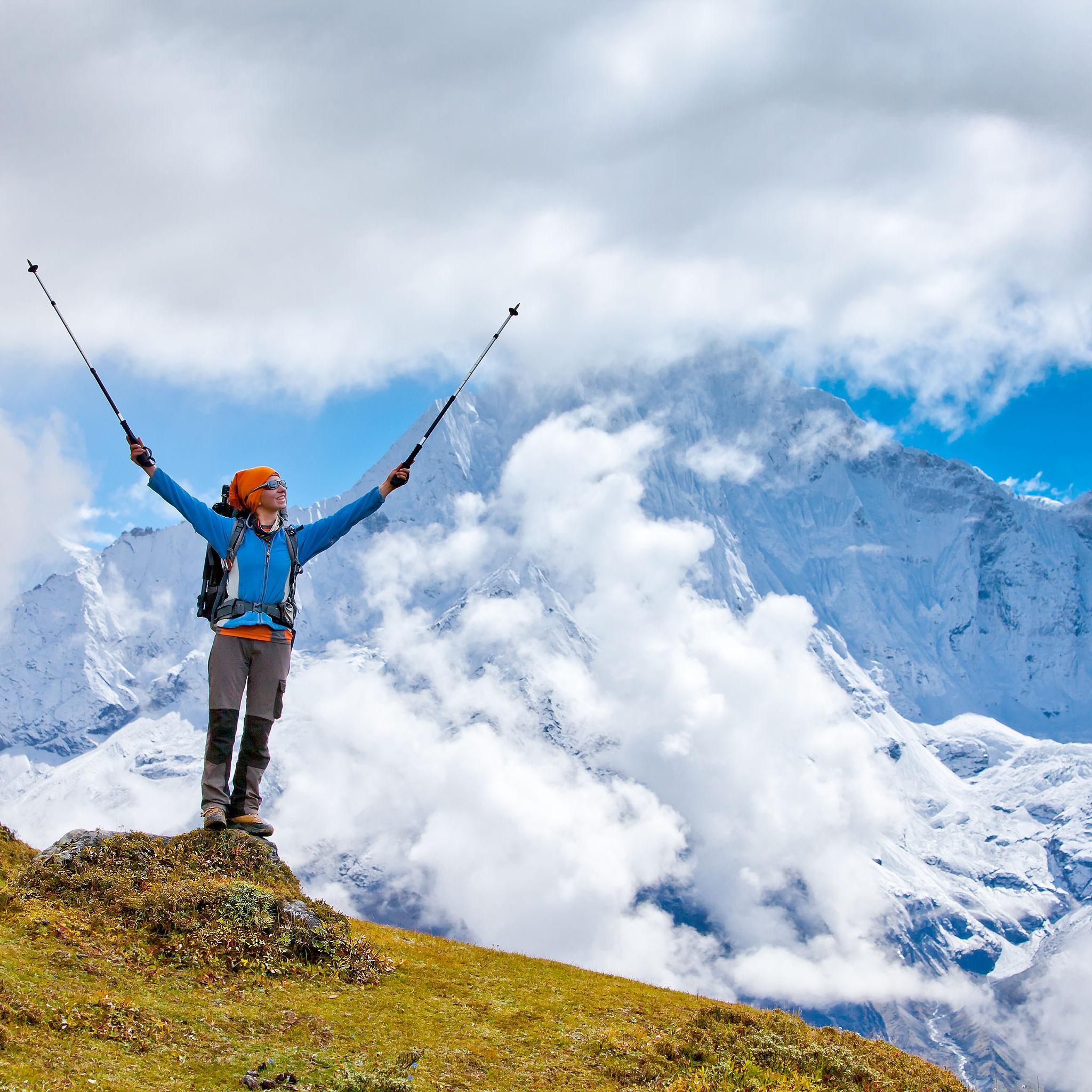
Every trekking season, thousands of people head into the mountains with the same goal—to reach the summit, cross a mountain pass, or complete a challenging trail.
Yet something interesting happens on almost every trek.
Some trekkers reach their destination with confidence and energy, while others struggle despite having similar equipment, similar fitness levels, and the same route.
What makes the difference?
The answer is often not physical strength but mental strength.
Successful trekking is as much a psychological challenge as it is a physical one.
Trekking Begins in the Mind Before It Begins on the Trail
Most first-time trekkers spend weeks preparing their backpacks, buying gear, and researching destinations.
Very few prepare mentally.
The mountains are unpredictable. Weather changes suddenly. Trails become steeper than expected. Fatigue sets in. Plans change.
Those who adapt mentally are often the ones who succeed.
Habit 1: Successful Trekkers Focus on One Step at a Time
Beginners often look at a distant summit and become overwhelmed.
Experienced trekkers think differently.
Instead of worrying about reaching the top, they focus on:
- The next turn
- The next kilometer
- The next rest point
Breaking a large challenge into smaller goals makes difficult treks feel manageable.
Habit 2: They Accept Discomfort
No trek is perfectly comfortable.
There may be:
- Rain
- Cold temperatures
- Early wake-up calls
- Tired legs
- Basic accommodations
Successful trekkers understand that discomfort is part of the adventure.
Instead of resisting it, they embrace it.
Habit 3: They Don’t Compete with Others
One of the biggest mistakes beginners make is comparing themselves with faster trekkers.
Every trekker has:
- Different fitness levels
- Different experience
- Different strengths
The mountains reward consistency, not speed.
Walking steadily often leads to better results than rushing.
Habit 4: They Respect the Mountain
The best trekkers never underestimate nature.
They:
- Follow safety instructions
- Respect weather conditions
- Stay on designated trails
- Listen to trek leaders
Confidence is important, but overconfidence can be dangerous.
Habit 5: They Stay Positive During Difficult Moments
Every trek includes challenging sections.
You may encounter:
- Steep ascents
- Snow-covered trails
- Altitude fatigue
- Unexpected weather
Successful trekkers focus on solutions rather than problems.
They remind themselves why they started.
Habit 6: They Prepare Before the Trek
Mental confidence comes from preparation.
Knowing that you have:
- Trained properly
- Packed correctly
- Researched the trek
creates a sense of control and reduces anxiety.
Preparation builds confidence long before the trek begins.
Habit 7: They Enjoy the Journey, Not Just the Summit
Many first-time trekkers become obsessed with reaching the final destination.
Experienced trekkers understand that the real reward is everything along the way:
- Sunrise views
- Forest trails
- River crossings
- Mountain villages
- New friendships
Often, the best memories happen before reaching the summit.
The Mountains Teach More Than Trekking
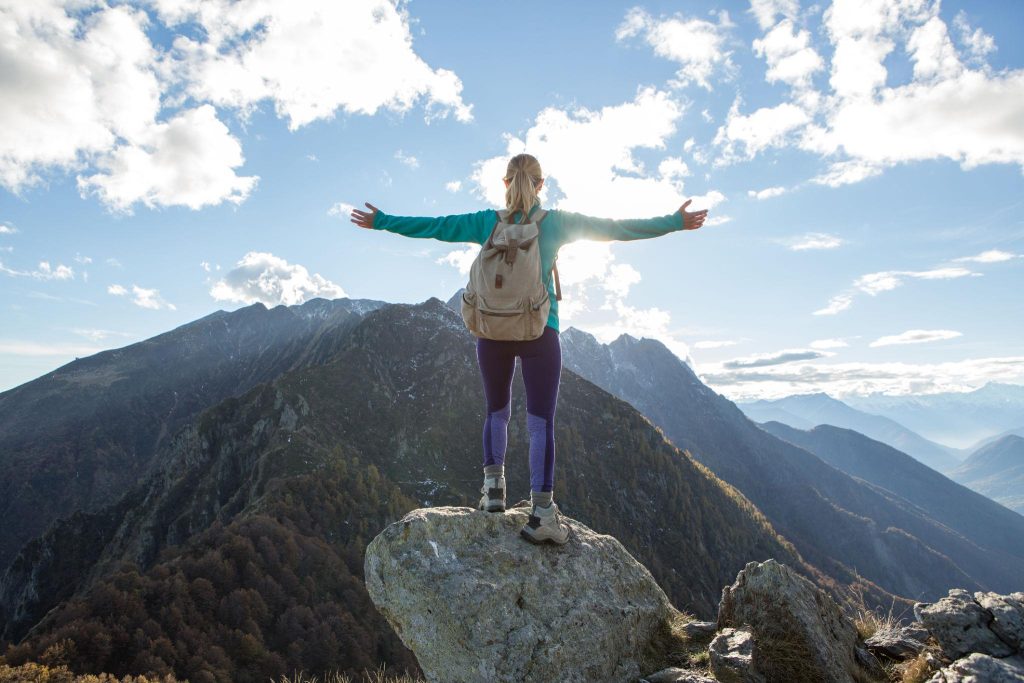
Trekking teaches valuable life lessons:
Patience
Progress happens one step at a time.
Discipline
Preparation matters.
Resilience
Challenges can be overcome.
Gratitude
Nature reminds us how small we are in a vast world.
These lessons stay with trekkers long after the journey ends.
Best Treks to Build Confidence
If you’re new to trekking, start with beginner-friendly routes:
Kedarkantha Trek
Perfect introduction to Himalayan trekking.
Kuari Pass Trek
Known for beautiful mountain views and moderate difficulty.
Valley of Flowers Trek
Ideal for nature lovers and first-time trekkers.
Hampta Pass Trek
A great next step after gaining basic trekking experience.
Final Thoughts
The difference between trekkers who succeed and those who struggle is rarely just fitness.
It is mindset.
The mountains test patience, determination, adaptability, and resilience.
Those who learn to stay calm, focus on progress, and enjoy the journey often discover that reaching the summit is only part of the adventure.
The real achievement is becoming stronger with every step.
FAQs
Is trekking more mental or physical?
Both are important, but mental resilience often determines success on challenging treks.
Can beginners complete Himalayan treks?
Yes. With proper preparation and the right choice of trek, beginners can successfully complete many Himalayan routes.
How can I improve my trekking mindset?
Focus on consistency, patience, realistic expectations, and enjoying the journey rather than only the destination.
Why do trekkers quit midway?
Common reasons include poor preparation, unrealistic expectations, altitude issues, and loss of motivation.
Which trek is best for building confidence?
Kedarkantha Trek, Kuari Pass Trek, and Valley of Flowers Trek are excellent starting points.
Leave a Reply